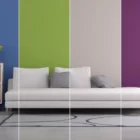
Wallpaper Features
Wallpaper is a type of facing material used to cover interior walls in residential and public buildings. Currently, wallpapering walls is popular all over the world, and thanks to the improvement of their production technology, it is possible to cover walls with any patterns and textures. Everyone will find something interesting for themselves!
Additional Information! Modern wallpapers are made from durable materials that guarantee many years of use. They are available in many interesting patterns and colors that you can choose to suit your needs.

They are a fashionable element of interior design and perfectly highlight the decor. Sometimes they allow you to achieve an effect that no other decorative elements can provide.
What types of wallpaper are there?
Currently, you can find a wide range of different types of wallpaper on sale. These include not only the once popular paper wallpaper, but also vinyl, non-woven and fiberglass wallpaper.
Main types of wallpaper:
- paper;
- vinyl;
- textile;
- environmental wallpaper;
- made from fiberglass.
Wall wallpaper also includes photo wallpaper. Very often they depict landscapes, imitation of natural materials (for example, brick or marble), as well as other motifs. Embossed wallpaper is a special type. They are made of paper with a three-dimensional pattern embossed on it. Due to this, their surface is convex.
Paper is an excellent thermal insulator, reduces heat loss and makes wallpapered walls more pleasant to the touch compared to painted walls. Before choosing a specific type of wallpaper, it is worth familiarizing yourself with its properties in order to choose the best option that will suit the characteristics of the room. Due to the fact that there are different types of wallpaper, this decorative element can be used in any room of the house.
Which wallpaper should you choose?
Paper wallpaper is the cheapest solution and has been known for many years. In their favor, in addition to the price, is a wide range of models. Paper wallpaper allows walls to breathe, which makes them suitable even in the homes of people prone to allergies.

They are not suitable in the kitchen or bathroom because they are not resistant to moisture and it is impossible to remove dirt from their surface. The thin structure of the material also requires skill when gluing. Wallpaper soaked in glue, especially single-layer wallpaper, can easily tear.
A type of paper wallpaper is acrylic wallpaper, the surface of which is covered with a thin layer of acrylic foam. However, their low scratch resistance means they are slowly becoming a thing of the past.
Vinyl wallpaper is easier to keep clean and is resistant to damage and stains. They have an amazing variety of designs. There are models made of hard vinyl and foam options. The first ones are relatively thin, so they look better on smooth walls. They are also very resistant to mechanical damage. The latter, in turn, have no equal in masking wall imperfections.

Both types of vinyl wallpaper are impermeable to water vapor, making them ideal for the kitchen or bathroom. Their ability to clean up dirt makes them unmatched in hallways, hallways and public areas. Vinyl wallpaper is also fireproof.
However, their thick structure makes installation difficult. The ideal solution would be vinyl wallpaper on non-woven material, which is placed on a wall soaked in glue. Such wallpapers do not absorb water, and the wallpapering process itself is simple and effective.
Their undoubted advantage is also the ease of removal from the wall – they do not delaminate, and when slightly wet, they come off the surface perfectly. Thanks to this, they work not only on wet plaster, but also on drywall.
Textile wallpaper has also been gaining popularity in recent years. Their outer layer is made of natural fibers – usually linen, silk, cotton or artificial ones: viscose or polypropylene. The basis is most often non-woven fabric, less often paper. They are pleasant to the touch and in most cases have a luxurious design. They are also readily used in public buildings.
A variation of classic textile wallpaper is the application of a convex pattern with the texture of suede, which allows you to achieve a three-dimensional effect. Thanks to this, the wallpaper looks unconventional and extremely exclusive. You can also find self-adhesive wallpaper, which, after removing the protective film, is ready to be laid on the wall, and does not require the use of glue.

They perfectly hide porous substrates, small dents or chips in plaster. At the same time, they provide good ventilation of the walls. However, we must not forget that this type of wallpaper requires proper care. They are delicate and scratch-resistant, so they are best suited for the bedroom or living room.
Ecological wallpapers , made from recycled materials and with a short biodegradation time, help protect the environment. They contain paper and textile fibers, wood flour and auxiliary substances. They are covered with a thin latex print, so small dirt can be removed from their surface.
A distinctive feature of ecological wallpaper is its ability to regulate the humidity in the room, thereby preventing the appearance of mold on the walls. They allow the walls to breathe. They are ideal for the living room, bedroom or children’s room. Eco-friendly wallpapers that do not require the use of glue are now available on the market. All you need to do is lightly spray them with water and then mount them on the wall. An interesting fact is that within six months, wallpaper of this type can be dismantled and moved to another place on the wall.
Fiberglass wallpaper makes it extremely durable. Their service life is estimated to be up to 30 years.
Interesting! Fiberglass wallpaper can be painted. Thanks to this, we have the opportunity from time to time to give the walls a completely different look without the need to dismantle materials and level the surfaces of the walls. The use of high-quality paints allows you to change the interior design up to seven times.
The advantage of this type of wallpaper is its resistance to moisture, which means it can be successfully installed in the kitchen or bathroom. The properties of the material also prevent the formation of mold. They also help protect the cracked structure of the wall and perfectly mask imperfections and defects in the plaster.

Fiberglass wallpaper, due to its scratch resistance, is also indispensable in public spaces – schools, medical institutions and hospitals. However, this type of wallpaper requires considerable experience in installation. It is necessary to use a special, very thick and strong glue, and you must also remember that fiberglass irritates the skin of the hands and, since it merges with the surface of the wall, they are difficult to remove.
An alternative to glass wallpaper can be rauphase . This is wallpaper prepared for painting, so it is usually available in white. Its thickness allows you to perfectly hide the porosity of walls, mask dents and cracks. Installing wallpaper is also not a problem. It consists of two or three layers of paper with wood chips between them, which gives a special pattern and structure. Exceptionally durable and perfectly dampens sounds.
How to choose the right wallpaper?
What type of wallpaper to choose depends on several factors. The most important of them is the purpose of the room in which they will be used.

The kitchen and bathroom are the most specific interiors. There is high humidity and high temperature here. Therefore, not all types of wallpaper are suitable for them. It is best to choose vinyl, embossed or fiberglass.
Note! All types of wallpaper are suitable for the bedroom and living rФильтрует содержимое по языкуРусскийoom. The risk of staining the walls in these rooms is low. There’s not much humidity there either. Many people choose paper or non-woven wallpaper. Textile wallpaper is used for more effective styling in such interiors.
For the living room and children’s room, it is recommended to choose wallpaper that is easy to clean and resistant to damage. The ones made from vinyl work very well. A dry cloth is enough to remove dirt.
Before choosing wallpaper, you should also pay attention to its design. It must be adapted to the entire setting. Another factor is the size of the room. Wallpaper with large graphics is not recommended for small interiors, as it will make the room look bulky and smaller than it actually is.