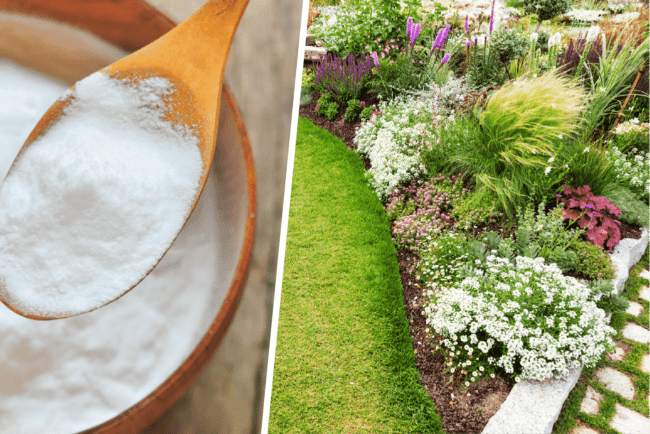
Soda in the garden: the best tips for use to protect plants and care for beds
Why is it worth using soda in the garden? Baking soda and effective products based on it have long been used by gardeners to protect vegetables, fruits and flowers. Using soda in the garden and vegetable garden has a number of advantages:
- availability and low cost (you can buy a pack of soda in any store);
- when used correctly, unlike aggressive chemicals, it does not harm humans or plants;
- one product helps solve different problems: from pest control to extending the storage life of vegetables;
- Soda decomposes in the soil without leaving any harmful traces.
The main advantage of baking soda is its availability, because you can buy it almost everywhere, in every hypermarket.
Soda in the garden: the best ways to use it to protect plants, fight pests and store crops
It can become an indispensable assistant in pest control, for plant growth prevention and berry crop treatment. What diseases does soda spray fight? It helps prevent the development of fungi and plant diseases, thanks to its use you can get rid of persistent powdery mildew, anthracnose and black leaf spot.
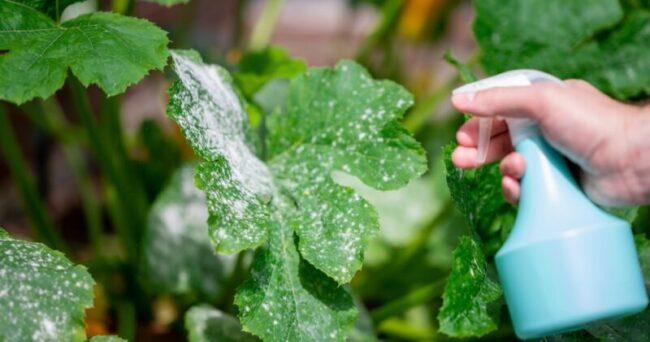
At the same time, soda is harmless to humans, pets, bees and other beneficial insects. It is a simple and environmentally friendly way to keep your garden in perfect condition. Adding it to water when watering plants can increase their resistance to infections.
Spraying against fungal diseases is carried out using sprayers and is repeated several times at intervals of 1-2 weeks. This protection is applied to cultivated and ornamental plants grown in the ground, under cover and in pots. Sprays based on baking soda are most often used for roses.
Please note! This recipe helps against aphids on roses: dip the tips of the shoots in a soda solution – 15 g per 500 ml of water. The flowers will continue to delight with their beauty. And to make them more numerous, dissolve 1 teaspoon of soda and Epsom salt in 5 liters of water, add 0.5 teaspoon of ammonia and spray the bushes with the liquid. New shoots will not keep you waiting.
Baking Soda Spray Recipes: Garden Applications
Baking soda can be used in the garden in a variety of ways: as a spray to control pests and plant diseases, and added to water for irrigation. Spraying plants with a solution of baking soda helps get rid of pests on the surface of plants, and adding soda to water for irrigation helps prevent diseases and strengthen the immunity of plants. The choice between spraying and watering depends on the needs of the garden and the condition of the plants.
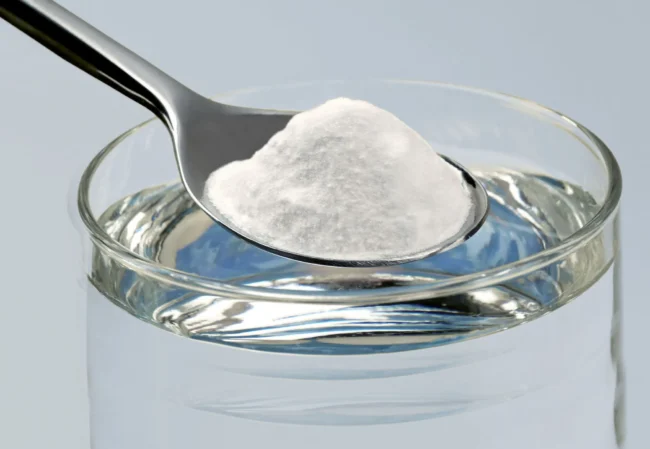
Baking soda solutions, despite the different methods of preparation, are equally effective. They are used to combat diseases such as dangerous powdery mildew and some pests. Gardeners recommend them as a highly effective remedy against aphids. They are also useful at home to combat sucking and biting insects. Spraying is best done in the evening or early in the morning to avoid exposing plants to sunburn.
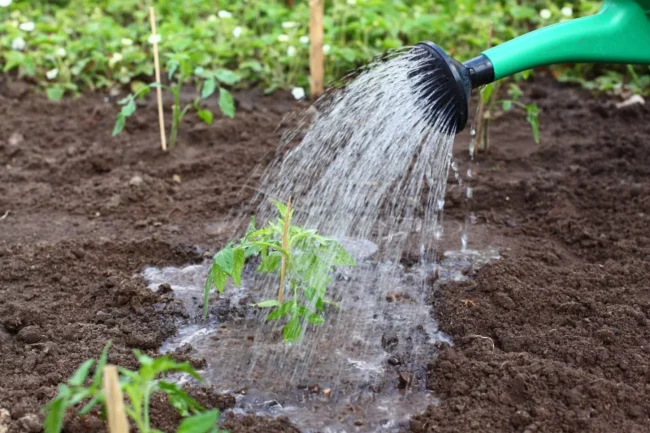
Here are some simple baking soda spray recipes to help keep your garden looking its best.
To combat pests and plant diseases, prepare a solution of 2 tablespoons of baking soda and a liter of water and mix thoroughly. Then spray the plants, thoroughly covering the leaves. You can use this spray every 10-14 days to ensure continuous plant protection. Mix and shake thoroughly before each use. This is a safe and environmentally friendly alternative to traditional chemicals.
An effective solution can be prepared from baking soda and dishwashing liquid. Add 1 teaspoon of baking soda to two liters of warm water. Drop a few drops of dishwashing liquid into the resulting solution. After thoroughly mixing, the ingredients are mixed. The product is ready to protect plants from aphids. In some cases, the solution is prepared from 0.5 teaspoon of baking soda and 5 ml of dishwashing liquid – the product prevents the solution from dripping off the plants.
Add a quarter teaspoon of baking soda and half a teaspoon of vegetable oil to 1 liter of warm water. Mix thoroughly. It is best to use a sprayer, remembering to spray the underside of the leaves.
Soda in the garden: the best ways to use it to protect plants and store crops
Want a healthy harvest without chemicals? Find out how to use soda in the garden: plant protection, care for tomatoes and cucumbers, safe storage of vegetables. This preparation is recommended for combating fungal diseases of plants.
How does soda help with fungal diseases?
Soda for plant diseases is very important, especially after rain, since the prevailing humidity promotes the development of fungal diseases.
To combat fungi and mold in the soil and on plants, it is enough to regularly spray the fungal areas with water with the addition of soda. Spraying with such a solution is recommended to be done regularly every 7 days.
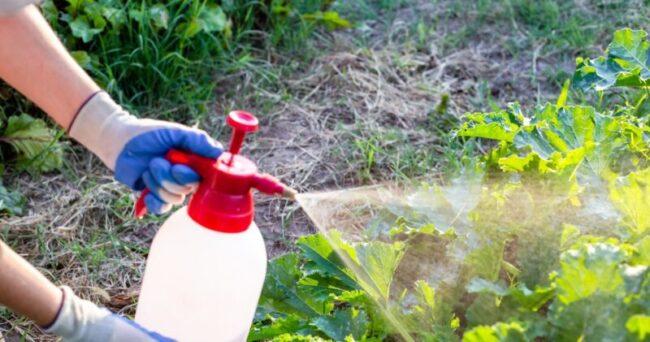
For a better effect, you can mix a drop of vegetable oil, a drop of dishwashing liquid and 2 tablespoons of baking soda in 2 liters of water. Vegetable oil will serve as a fixative. The detergent will allow the solution to spray better.
Soda protects cucumbers and grapes from powdery mildew. Soda from late blight helps tomatoes during the period of active growth. One of the most common plant diseases is powdery mildew. A white coating resembling flour appears on the leaves and stems. For prevention and treatment, use a solution:
- 1 tablespoon of soda;
- 1 liter of water;
- 1 teaspoon of laundry soap.
Spraying is carried out once a week until the symptoms disappear.
Tips for protecting plants from pests
The spray is primarily valued as a home remedy for aphids, but it is also effective against pests such as eriophyids, whiteflies, and spider mites. Using baking soda in the garden against aphids and caterpillars helps keep vegetable leaves healthy.
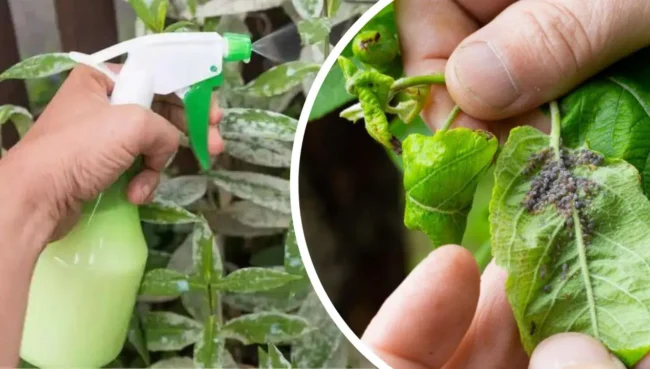
Fighting insects in the garden, soda against caterpillars
Soda against pests: simple recipes. If you mix ash (you can use flour instead) with soda ash (in the ratio: 1 liter of ash – 2 tablespoons of soda), dust the soil near the cabbage and the heads of cabbage themselves, then the caterpillars will disappear. A mixture of ash and soda (1:1) will help you forget about ants on the site.
To protect plants from aphids and caterpillars, prepare a solution:
- 1 tablespoon of soda per 1 liter of water;
- add 1 teaspoon of liquid soap for better adhesion.
Spraying is carried out in the evening or in cloudy weather, so as not to burn the leaves. To combat aphids on vegetables, mix baking soda and potato flour in equal proportions. The resulting mixture is sprayed on the plants affected by pests.
Baking soda against ants : even a small amount will help get rid of them in the garden. As it turns out, baking soda is also recommended as a natural remedy for fighting ants in the garden. If there are many pests, repeat the spraying every 3-4 days.
To fight ants in the garden, you can use a mixture of soda and sugar in equal proportions. It is laid out near anthills or along paths. You will drive them away completely without killing them at all. Ants do not like such a mixture.
Baking soda in the fight against weeds in the garden
Another use for baking soda is weeds. They can be a nuisance to any gardener, but baking soda can help in the fight against them. It is an effective and economical method of fighting unwanted plants without using harmful chemicals. Regular treatment significantly limits their further growth.
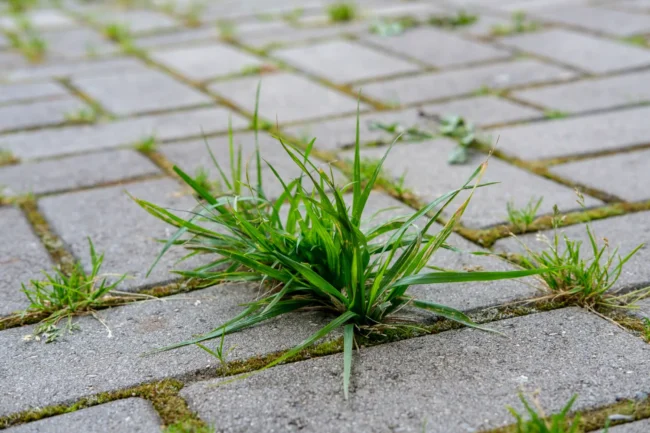
You can make a solution: 3-4 tablespoons per liter of water and spray it on the weeds. Baking soda kills weeds by lowering the pH of the soil, which makes it difficult for them to grow and develop. It is often used to sprinkle places such as cracks in paving stones or curbs. This treatment significantly reduces the amount of unwanted vegetation in these places.
A strong solution of soda and water will get rid of weeds on the recreation area. The greenery breaking through the tiles will wither in 10 hours. Repeat the procedure after a month.
Soda for soil
Reducing soil acidity. Why is it important to reduce acidity? Soda reduces soil acidity, which is important for plants that prefer a neutral environment. To do this, water the soil with a weak solution (1 tbsp. per 10 liters of water). Excessively acidic soil inhibits plant growth: they absorb nutrients worse, become more vulnerable to diseases and pests. Many vegetables and berries (cucumbers, cabbage, carrots, strawberries) prefer a neutral or slightly alkaline soil reaction.
Baking soda has alkaline properties. When added to the soil, it partially neutralizes the acid, improving the soil composition. Unlike lime or dolomite flour, soda acts more gently and quickly, but its effect is less long-lasting.
Important to remember! Soda should not be used too often – this can lead to an alkaline imbalance. The method is suitable for temporary improvement of conditions, but does not replace full liming or ash application. It is best used as a quick help if plants begin to grow poorly in acidic soil.
Baking Soda for Potted Plants
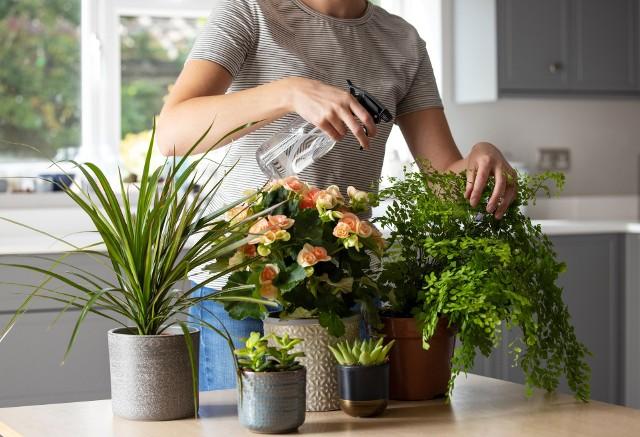
For lush and thick flowers, watering with a soda solution will help. Just add a little baking soda to the water for watering. The flowers will become lusher and healthier. Just wipe the leaves with a mixture of water and baking soda from time to time. Then the leaves will be healthy, shiny and clean.
It can also be useful for indoor plants, for example, as a fertilizer. To prevent salts from accumulating in the pot and increase the permeability of the soil, which can lead to problems with the roots, simply add a little baking soda to the water for watering. This is an easy way to keep indoor plants healthy, providing them with the right mineral balance.
Baking Soda for Longevity of Cut Flowers
To extend the life of flowers in a vase, simply add a pinch of salt and baking soda to a vase of water. In addition, it is also good to shorten the stems of flowers in a vase diagonally every day, removing rotting parts. Soda prevents bacterial decomposition in water, which helps flowers stay fresh and beautiful longer. Add half a teaspoon of soda to water and stir.
For growing healthier and tastier vegetables
Using soda to prevent diseases. Soda for tomatoes is used as a means to strengthen the immunity of plants. Soda for cucumbers helps to reduce soil acidity and prevent the development of diseases. Spraying with a soda solution strengthens the immunity of plants and makes them more resistant to diseases. To prevent diseases, prepare a solution: 2 teaspoons of soda per 1 liter of water, watering is carried out under the root.
Using soda for tomatoes and cucumbers
Late blight on tomatoes. Soda in the garden is a preventive measure against the occurrence of another worst enemy of the summer resident – late blight. Soda helps to reduce the risk of late blight. To do this, prepare a solution: 2 tablespoons of soda per 10 liters of water. Spraying is carried out every 10-12 days during the period of active growth. Usually it comes from potatoes, then affects tomatoes. Feeding tomatoes with a solution of baking soda “on the leaf” in a ratio of 0.5% or “under the root” – 3.5% helps not only to avoid trouble, but also makes the vegetable sweeter.
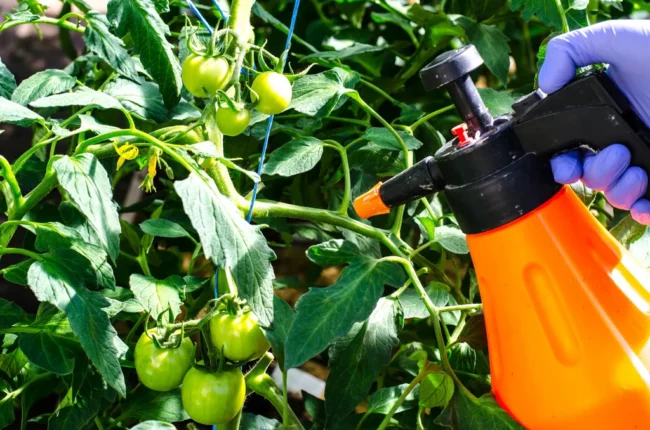
For example, if you sprinkle a little baking soda under tomatoes, they will have less acidic soil. They will also produce juicier and sweeter fruits. It is also good to water those plants and flowers that require less acidic soil with a soda solution.
A mixture of baking soda and water also helps in the fight against powdery mildew on cucumbers. In addition, it will keep the vegetable leaves green longer.
Gray mold often affects grapes. To prevent the fungus, experienced winegrowers use soda: 75 g of the substance is dissolved in a bucket of warm water. This also helps to increase the sugar content of the berries.
Soda for berry care. For strawberries and raspberries, a soda solution helps prevent the development of gray mold. Spraying is carried out during the budding period and after harvesting. Solution: 1 teaspoon of soda per 1 liter of water.
Soda for storing vegetables and fruits
Baking soda is great for extending the freshness of the harvest. Sprinkling root vegetables with soda reduces the risk of mold. This will protect them from rot and extend the freshness of the harvest. Storing vegetables with soda helps carrots and beets stay fresh longer.
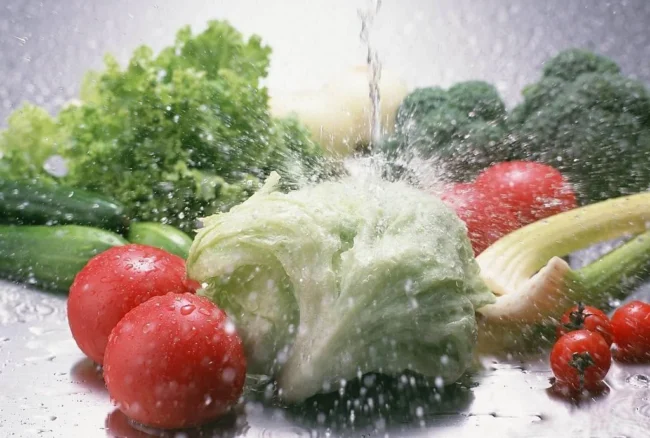
Before storing, wipe apples, pears and zucchini with a weak soda solution (1 teaspoon per 1 liter of water). This kills bacteria and prevents mold. To remove pesticides from fruits and vegetables, add a little baking soda to the water and soak them in it, or simply wash the fruits or vegetables before eating.
Baking soda for cleaning garden tools
It is convenient to wash garden tools, greenhouses, containers for seedlings. Soda disinfects and kills some pathogenic microflora. To clean and disinfect garden tools, just dissolve 1 tablespoon of baking soda and 1 tablespoon of dishwashing liquid in 1 liter of water. Then soak a rag in this solution and clean the garden tools with it. They will not rust and will not infect plants with diseases transmitted from others.
Soda is an excellent odor eliminator. Sprinkle the compost pit with soda and the problem is solved. The substance will also be preserved by the country refrigerator. Wiping the shelves and freezer will help to avoid unpleasant odors.
If you wipe any dirty area of the body with dry soda, then washing off organic substances will become easier. Soda also washes grass stains off clothes.
Useful tips for using soda in the garden:
- solutions are prepared immediately before use;
- It is better to spray in the evening or in cloudy weather;
- do not overuse soda so as not to disturb the balance of the soil;
- To prepare solutions, it is better to use rainwater or settled water.
Soda in the garden replaces chemicals, helps protect plants, extend the storage of crops and maintain soil fertility. This universal, environmentally friendly and cheap product helps protect plants from pests and diseases, improves soil quality, extends the storage of crops and simplifies garden care. When used correctly, soda will become a real helper for every gardener.