Coral viburnum: what are its properties?
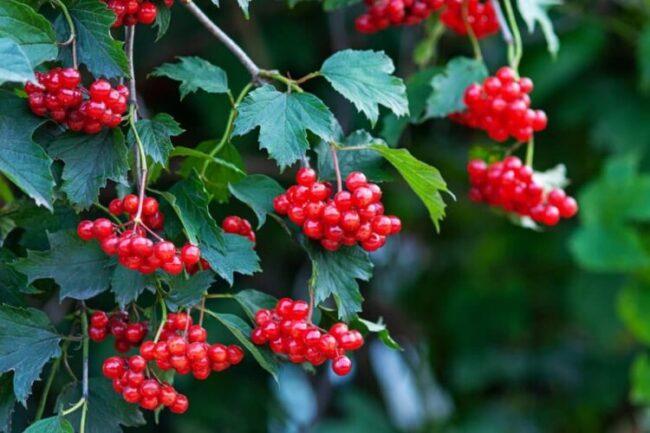
Viburnum corallis is an ornamental deciduous shrub that blooms from May to July. It is easy to care for, honey-bearing and frost-resistant. It can be found in the wild.
Please note! Coral viburnum is widely represented on the pharmaceutical market. It can be purchased in pharmacies, herbalists and health food stores. It is used mainly in dried form for making infusions, decoctions and tinctures. Also sometimes there are food additives and medicines in the form of tablets or capsules.
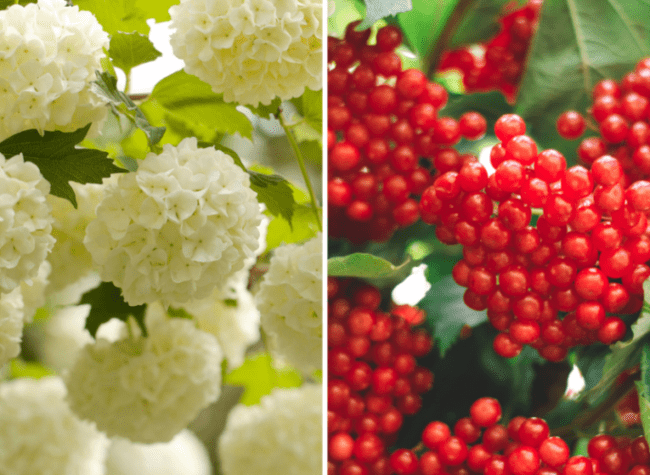
Its rich chemical composition determines its properties, due to which viburnum is used in the treatment of various ailments. It has many valuable properties that have a beneficial effect on the body and have a healing effect:
- painkillers;
- anti-inflammatory agent;
- antioxidant;
- antimicrobial;
- diuretic;
- antispasmodic;
- choleretic;
- expectorant;
- calming;
- astringent;
- strengthening.
In folk medicine, they mainly use the fruits and bark of viburnum, obtained primarily from wild plants.
Coral viburnum – medicinal properties, benefits and use in folk medicine
Coral viburnum effectively relieves both physical and emotional tissue tension. It mainly helps with neuromuscular tension, diseases of the reproductive system, intestines, respiratory tract, painful migraines, anxiety, hyperactivity.
Viburnum vulgare contains a large number of biologically active substances that determine its medicinal properties. It contains flavonoids, tannins, coumarins, bitter substances, organic acids and essential oil.
Additional information! Due to its wide range of action, viburnum is used in almost all systems, promoting tissue relaxation and cell regeneration. Traditionally used for colds, hypertension, neuroses, gastrointestinal diseases, as a means of strengthening the immune system.
Useful in the treatment of colds and inflammations, strengthens the immune system and helps reduce elevated body temperature. The berries are rich in vitamin C, which has anti-inflammatory and general strengthening effects, suitable for infusions and teas.
Why Viburnum is Good for the Immune System Viburnum berries contain:
- Vitamin C is a powerful antioxidant that stimulates the body’s defenses;
- carotenoids support healthy skin and mucous membranes;
- organic acids help normalize metabolism;
- pectins remove toxins and reduce the load on the immune system;
- Flavonoids strengthen blood vessels and increase resistance to infections.
Due to this composition, viburnum is considered a natural immunomodulator.
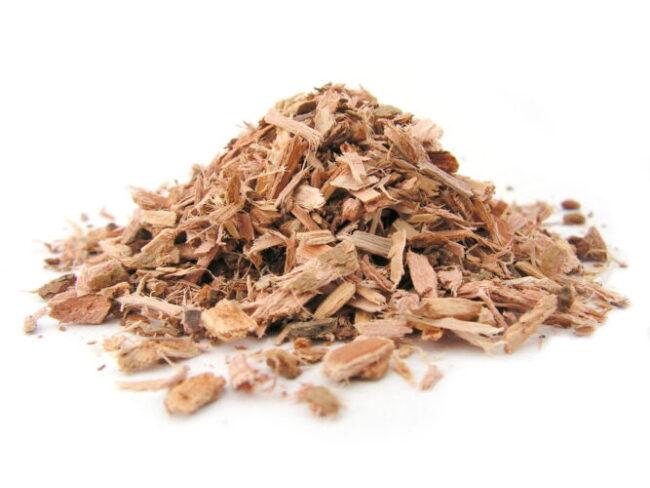
Viburnum bark is valued in folk medicine in Ukrainian lands. It contains tannins, resins, organic acids. It is used as a hemostatic and antispasmodic agent. It is an effective remedy for menstrual irregularities, painful spasms, PMS and during menopause. It helps in the treatment of fibroids, cysts and endometriosis.
Important! Viburnum preparations should be used with caution, especially in cases of decreased blood clotting, hypotension, pregnancy – it is advisable to consult a specialist.
Coral Viburnum for the Heart
Coral viburnum is a natural assistant for the health of the heart and blood vessels. Its berries and bark help to gently lower blood pressure, strengthen blood vessels, and reduce the risk of complications in hypertension and atherosclerosis.
Proper use makes this plant a valuable addition to the prevention of cardiovascular diseases. Coral viburnum has antispasmodic and calming properties. It strengthens the heart and improves its functioning.
Viburnum has a sealing effect on the walls of blood vessels and supports the functioning of the entire vascular system. Thus, it has a positive effect on the heart and, in addition, prevents cardiovascular diseases, tachycardia and atherosclerosis.
Viburnum berries for strengthening immunity
Viburnum berries are a simple, affordable and natural remedy for strengthening the immune system during the cold season.
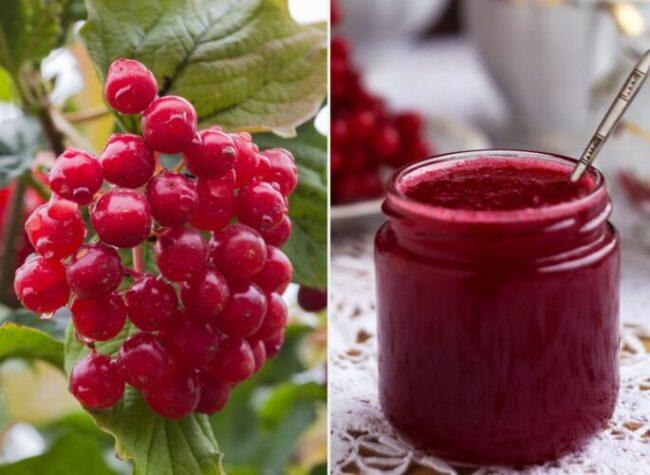
Properly prepared infusions, teas and even jams help the body to more easily cope with seasonal infections, increase vitality and overall resistance to disease.
Medicinal properties of viburnum berries:
- anti-inflammatory: reduces inflammation during colds and viral infections;
- antipyretic: helps relieve cold symptoms and reduce fever;
- diaphoretic: accelerates the elimination of toxins during flu and acute respiratory viral infections;
- calming: reduces nervous tension, which is also important for immunity;
- General tonic: increases the body’s resistance to stress and seasonal infections.
How to properly use viburnum for immunity? Fresh berries can be eaten in small portions in pure form, if there are no contraindications (increased stomach acidity, gastrointestinal diseases).

Infusion of 1 tbsp of berries, pour a glass of boiling water, leave for 30-40 minutes, drink ½ glass 2-3 times a day.
Tea with viburnum and honey
Mash the berries, add honey and pour hot (not boiling!) water. This tea strengthens the immune system and helps to recover faster from illness.
Jam or pastila is a great way to preserve viburnum for the winter. It has fewer vitamins than fresh, but it is also useful for preventing colds.
Viburnum coral recipes of traditional medicine
The fruits have culinary uses. They should be frozen and heat treated to remove the bitterness. Juices, tinctures and jams can be prepared.
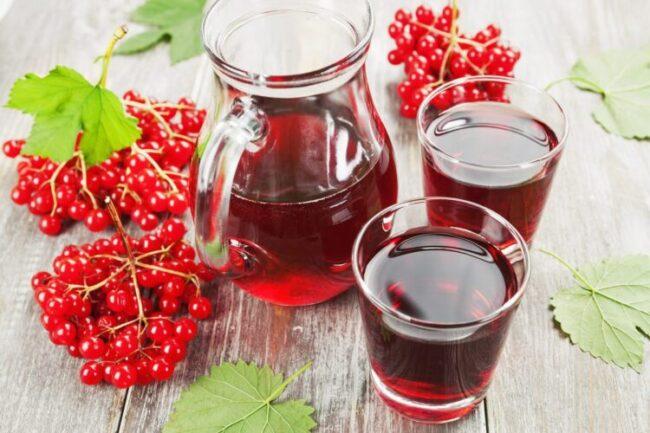
After the first frosts, the viburnum berries are collected. 0.5 kg of berries are minced or blended, a liter of flower honey is added and whipped. Take a tablespoon in the morning and evening before bed. For sore throats, colds, asthma and high blood pressure, take a teaspoon 3 times a day.
Juice and decoction of the fruits in combination with honey are used for colds, sore throats, stomach ulcers and duodenal ulcers, and also as an aid in diarrhea and hemorrhoids.
A decoction of flowers improves digestion, eliminates colic and spasms. Fruits with sugar are often eaten for hypertension, and externally in the form of compresses they are useful in the treatment of ulcers, acne and other skin diseases.
Viburnum berry infusion:
Pour a glass of boiling water over 1/2 teaspoon of dried fruit, cover and leave to infuse for 30 minutes. After straining, take two tablespoons 3-4 times a day for menopause symptoms.
The bark is collected in early spring, from March to April, from branches 2 cm in diameter on 2-3-year-old bushes. It is dried in a sunny place or in a drying room at a temperature no higher than 40°C. Ripe fruits are collected in autumn until the end of October and dried in a ventilated and shaded place or in a drying chamber at a temperature of 60°C.
Side effects of viburnum. Contraindications.
The main contraindication to the use of coral viburnum is an allergy to this plant. It is important to know that eating raw viburnum berries can cause poisoning. This is caused by saponins contained in the peel of the fruit. Symptoms of poisoning include nausea and vomiting, dizziness. To avoid this, the fruit should be frozen for at least 24 hours or boiled before use. A decoction of fresh berries should be boiled for at least 15 minutes. After this time, the harmful compounds will oxidize, and the decoction will become safe.