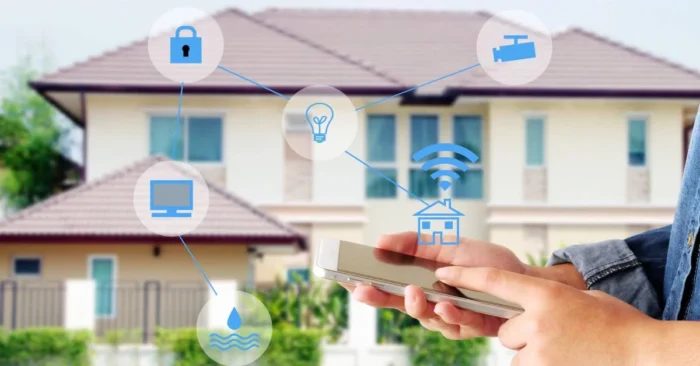
What are sensors in a smart home?
Smart home sensors are devices that monitor and automate tasks in the home to save energy, safety and health. Thanks to an Internet connection, the user can control smart home elements using a smartphone application.
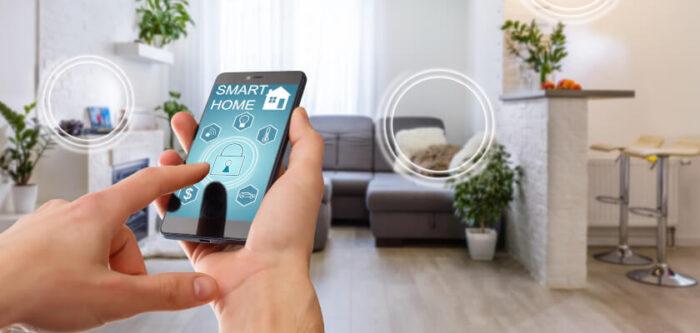
Elements of a smart home are divided into three groups: control devices that perform specified actions, sensors that monitor certain parameters,
A central unit that unites all devices into one network allows you to control many elements simultaneously.
Types of smart home sensors:
- gas, flood or fire detection sensors;
- home video surveillance systems;
- alarm systems;
- home lighting;
- detection of open doors and windows;
- blinds control;
- control of electronics, household appliances;
- control of central heating, ventilation and air conditioning in the house;
- opening and closing gates, gates, garage doors.
Sensors are one of the most important elements of a smart home, which not only increases the comfort of household members, but above all ensures their safety: protecting them from intrusion by unwanted people, defects in household appliances or gas leaks.
For the functioning of a smart home, you also need a central unit that will unite all devices into one network and be able to control many elements simultaneously. Information from sensors is received here and analyzed there. The device then sends commands to specific devices. which will unite all devices into one network and will be able to control many elements simultaneously.

What is important is that the central unit can be connected both wirelessly and wired. Wireless requires laying cables in walls and ceilings, so it is best to implement it during the construction of a house.
In turn, a wireless system can be introduced into a building at any time, and the operation of individual devices is based on radio waves. This is a cheaper and less invasive solution. Which solution is best depends on individual capabilities and needs.
Note! A smart sensor is capable of detecting and collecting information about the environment and transmitting it to other devices or authorities. They can have different sizes depending on real applications, and can be not only stand-alone components, but also integrated with other products.
Smart sensors for safety
When a threat is detected, each of them automatically triggers an appropriate alarm – audio or visual – and also sends a notification to residents’ smartphones.
Note! Relatively inexpensive devices help to effectively protect health and life, as well as property. Recognizing and neutralizing threats allows you to avoid or minimize losses due to fires, floods, burglaries and other unexpected events.
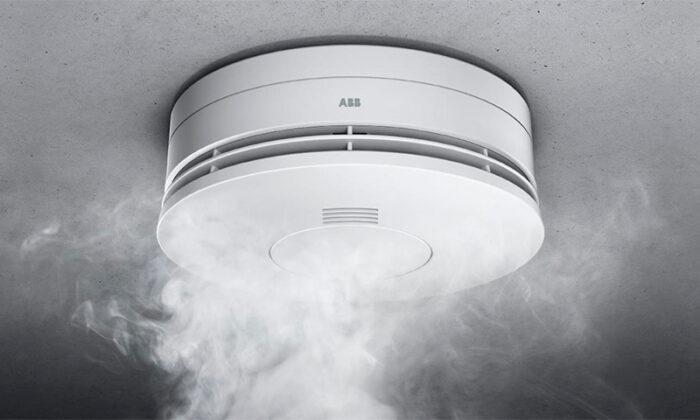
By constantly monitoring the air in the apartment, a smoke detector is able to quickly detect smoke and thereby minimize the risk of fire. When the sensor detects smoke, an audible or visual alarm (or both) immediately sounds. Additionally, you will receive a notification on your smartphone.
Gas detection sensors work much the same way as smoke detectors. Their task is to monitor the environment to detect carbon monoxide, which is dangerous to health and life. The sensor automatically activates when it detects too high a concentration of carbon monoxide. He will report this using appropriate audio or visual signals.
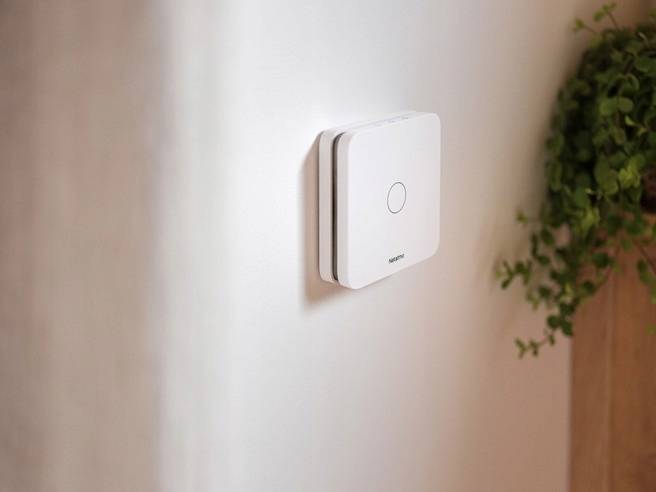
At home, you need to have such a smart sensor in every room where there is a gas device, for example, in the kitchen if you use a gas stove or in the bathroom if you have a gas heater. It is best to place them at adult head height so that children do not have access to them.
A smart sleeping gas sensor will keep your home safe if burglars want to use the ventilation system to spread sleeping gas throughout the house. It will immediately detect the danger, and in such a situation it will turn off the ventilation and notify about the threat.
We can install a smart smog sensor at home if we want to constantly monitor the air quality. It will constantly monitor the air quality in the room and if it detects too high a concentration of carbon dioxide, it will increase the ventilation rate. Thus, it will provide fresh air, creating the comfort and well-being of household members.
The flood sensor will detect problems that can lead to leaks and flooding. It works constantly, but makes itself felt only when an unwanted failure occurs. In such a situation, the sensor immediately notifies of a malfunction – thanks to this, you can respond in a relatively short time before leaking water causes damage to the apartment.
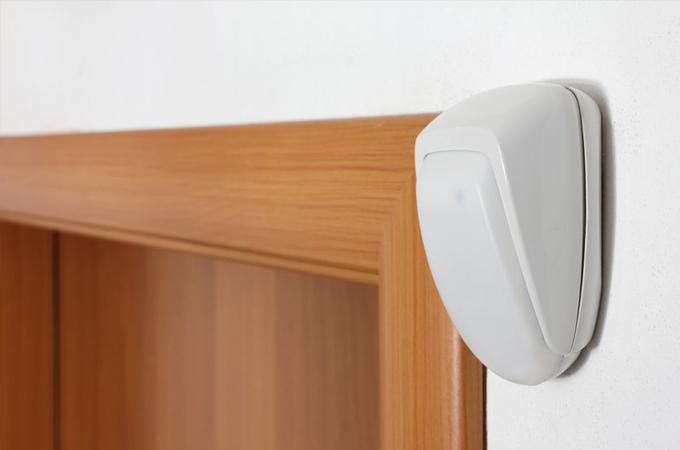
A motion sensor is one of the most popular ones you should have in your home. Its job is to detect movement within its range. Additionally, it can be connected to an alarm or security camera to enhance home security. Such a sensor can be integrated with other devices, such as light bulbs, so that the lighting turns on automatically as soon as someone enters the room.
The vibration sensor will become a security element in the home. It is usually glued to the surface of valuable items or other important equipment using special durable tape. Most often, such a sensor is attached to a safe or cabinets. If someone moves them, the detector will automatically report this by sending a notification to the phone and to the central unit.
The door and window opening sensor will react if unwanted people try to enter the house. This sensor is very small and is usually attached to a door or window. The alarm is triggered automatically when an unexpected opening or closing of a door/window is detected.
Intelligent smart home sensors that improve quality of life
Sensors that you can equip your smart home with, in addition to security, also ensure the comfort, well-being and health of its inhabitants.
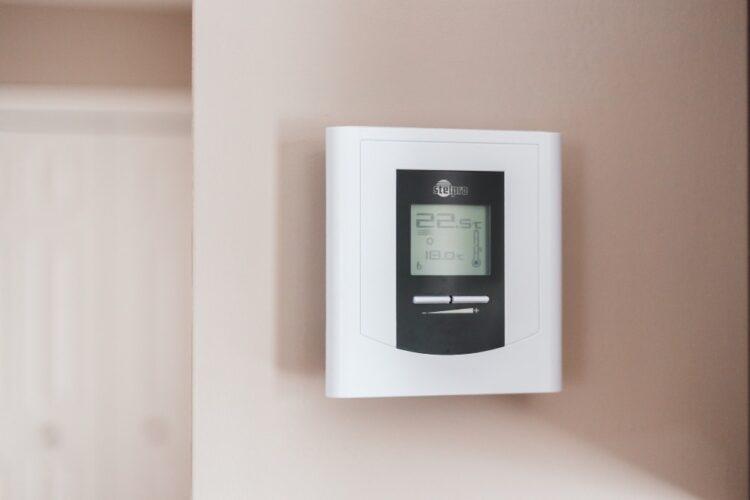
The temperature and humidity sensor will ensure thermal comfort and correct indoor air humidity all year round. It has an information function – it shows the current temperature outside and inside the room, as well as the humidity level.
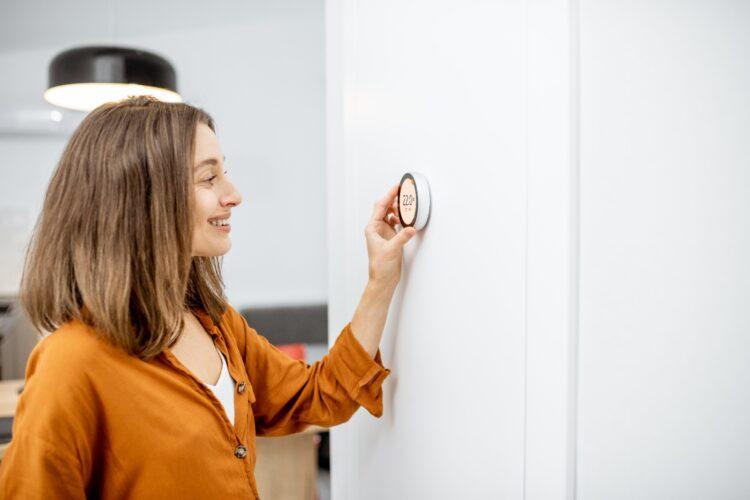
However, when paired with a smart thermostat, the smart temperature sensor can automatically turn on the heating if the temperature drops below a certain value.
Additional Information! In turn, the intelligent light sensor will automatically turn on selected light sources if the level of natural light falls below a user-specified value. Many sensors of this type interact with other elements of a smart home, for example, with a roller shutter drive.
A smart rain sensor will also come in handy. This sensor is mainly installed in private homes and small industrial and commercial buildings. When it rains, the windows close automatically. However, in the absence of rainfall, the rain sensor will be able to start the irrigation system in the garden if it is integrated with it.
Wind sensor , used mainly in private homes, provides the necessary information about the speed and direction of the wind, so that you can respond in advance to the occurrence of dangerous weather phenomena. It can be connected to roller shutter controllers. Thanks to this, if the wind speed exceeds a set value, the blinds will automatically lower, which will protect the windows from objects rotating in the air.
Where to install smart sensors?
They are usually easy to install. The vast majority of them are devices that simply plug into a power source.
Additional Information! It is necessary to find a suitable location for the central unit, since it controls other devices and must be constantly switched on. Therefore, you should place it in the least accessible location to minimize the risk of damage or shutdown. When it comes to sensors, they are placed throughout the house depending on their use.
Install smart sensors in accordance with their purpose. Flood sensors should be installed primarily in kitchens, bathrooms and laundry rooms. Carbon monoxide detectors should be placed near stoves.
Smoke detectors will be especially important in areas with equipment such as a stove or fireplace. In turn, motion sensors are required around entrance and balcony doors, as well as in corridors, although they will work in other rooms as well. When placing sensors in your home, always consider the manufacturer’s instructions as well as your own needs.
Glass break sensors or window and door opening sensors should also be used in country houses that are often subject to burglary.