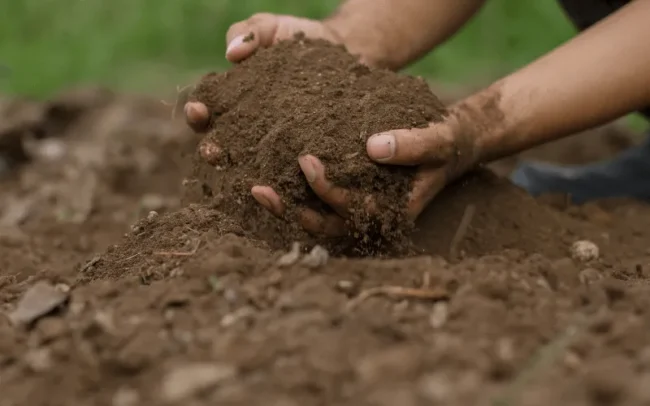
What is soil fatigue?
Soil fatigue has a huge impact on plant quality. If the plants in the garden grow poorly, get sick more often, and the yield is no longer as impressive as before, this is a sign that the soil is tired.
The phenomenon in which soil fertility decreases occurs as a result of negative changes in its structure, as well as deterioration of its physicochemical properties. The obvious consequence is a decrease in crop yields and an increase in plant susceptibility to diseases and pests.
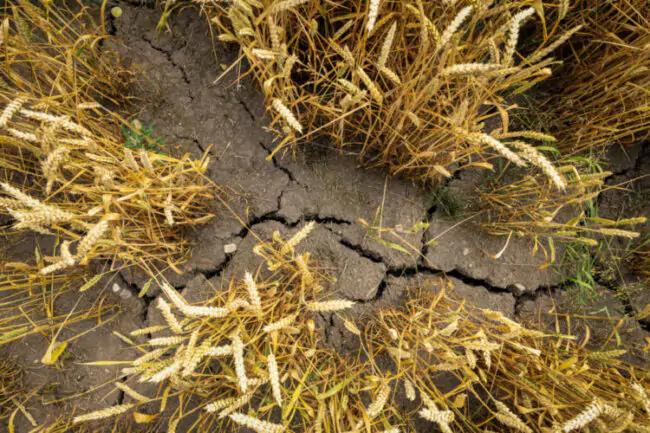
Why is soil fertility declining? It loses its ability to supply plants with the necessary nutrients and provide them with the appropriate conditions for growth. This phenomenon can occur on any land, in gardens, under cover.
What are the symptoms of soil fatigue?
The most common symptom is loss of plant growth, which eventually dies due to lack of adequate amounts of organic matter.
Fatigue of the soil will clearly affect the number of fruits and the possibility of obtaining large harvests will disappear. Biological processes make them more susceptible to diseases and pests. As fertility declines, leaves and fruits may drop prematurely. Some species may be a little hardier, but nutritional deficiencies will eventually take their toll.
Why does this phenomenon occur?
The main reason is the lack of application of fertilizers. A lack of elements that have a special effect on the growth and quality of agricultural plants begins to appear. This leads to a lack of nutrients that would protect the plant from pests.

Plants growing in poor soil are weak and less resistant to diseases and pests, which leads to lower yields. Tired soil is also more susceptible to erosion as its structure deteriorates.
The occurrence and development of soil fatigue is also influenced by the continuous cultivation of plants of the same family or species. Continuously growing the same types of plants depletes the food resources in the soil. This disrupts the chemical balance and pH quality. This means that the soil suffers from a deficiency of elements and nutrients.
The main effect of soil fatigue is the accumulation of too many nutrients that the plant does not use. Excess minerals cause a decrease in soil fertility due to increased salinity levels.
Note! Excessive and heavy fertilization can also cause soil fatigue. You should be careful when dosing fertilizers, as applying too much can have a negative effect on the crop plant.
Another reason for this harmful phenomenon is the accumulation of harmful pathogens and pests in the soil. When conditions are favorable for their development, they multiply quickly, and good conditions are monocultures, because the pathogens have the same host.
Moreover, as a result of fatigue, the number of living organisms such as earthworms decreases, and they are necessary for maintaining proper soil structure.
Another reason is the low level of humus. Humus is the most fertile layer of soil, rich in minerals. If there is too little of it, the quality of the substrate decreases.
How to prevent soil fatigue?
These consequences are severe for every gardener and farmer, which cannot be corrected by increasing doses of fertilizers. Even systematic mineral fertilizer and watering do not guarantee that the soil will remain fertile for a longer period of time. The holding capacity of the soil is also reduced, meaning watering becomes much less effective.
How to deal with this phenomenon? Preventive action will be more beneficial than subsequent attempts to “fix” the soil. Here are the most important ways to prevent soil fatigue and keep it in good condition:
- Crop rotation prevents the soil from using certain ingredients that a given plant needs most;
- Using organic fertilizers such as compost not only provides valuable nutrients, but also improves soil structure and water-holding capacity;
- supporting the growth of microorganisms that play a key role in the soil ecosystem;
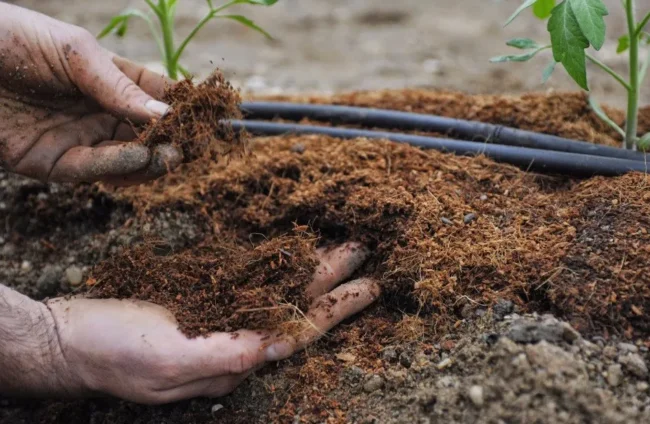
- using mulch protects the soil, helps retain moisture and reduces erosion;
- soil monitoring and testing;
- use of humic acids.
Using crop rotation provides the benefits of fertile soil. Each plant species has different nutrient requirements. Thanks to such a system, the plants will grow more abundantly, become drought-resistant and, above all, healthier.

Additional Information ! Avoid excessive use of pesticides, which can harm beneficial bacteria and fungi and lead to damage to microbial populations.
Regularly check the soil pH and nutrient content. Thanks to this, the application of fertilizers can be adjusted to the needs of the plants, which will minimize the risk of over-application.
Humic acids are natural substances that improve soil fertility. They affect the structure, physicochemical properties and retention capacity. Although they do not provide nutrients on their own, they increase the efficiency of plant uptake and are ideal as a complement to mineral or organic fertilizers.
Fertilizers also have a huge impact on the soil. Chemical plant fertilizers available in the market are effective and easy to use. However, it is necessary to alternate the use of artificial fertilizers with organic ones.

Natural fertilizers have a positive effect on the quality of the soil, enriching it with nutrients and humus, ensuring better absorption of phosphorus and nitrogen by plants. Water is better retained in the soil, which is beneficial for plants during drought. Natural fertilizers cause rapid growth of beneficial microorganisms and an increase in the number of earthworms.
Organic fertilizers limit the number of pathogens. The best solution is green manure fertilizers. Their use ensures that the correct levels of nutrients are maintained in the soil so that plants grow flawlessly.
If you frequently fertilize the soil with the same artificial fertilizers, this can also cause soil fatigue. The chemical composition of the substance should include as many ingredients of natural origin as possible, which are more effective than synthetic ones.
Plants can be saved with the help of organic fertilizers, which restore the soil to a state of biological balance. Aromatic herbs and phytosanitary plants, such as marigolds, help improve the sanitary condition of the soil environment. These plants reduce the number of pathogens and pests, stimulate the growth of beneficial soil microflora and microfauna.

Intercropping will help prevent soil fatigue. Some plants planted next to each other protect each other from pests and diseases. Those that do not benefit each other will begin to compete for nutrients, light and even water.
Caring for the soil carefully, using techniques such as crop rotation, organic fertilizers and the addition of humic acids will prevent soil fatigue, and crops will grow strong and healthy.
If the soil has already been damaged due to processing errors, measures should be taken to regenerate it. Fertilize the soil with natural fertilizers, using compost or manure.