

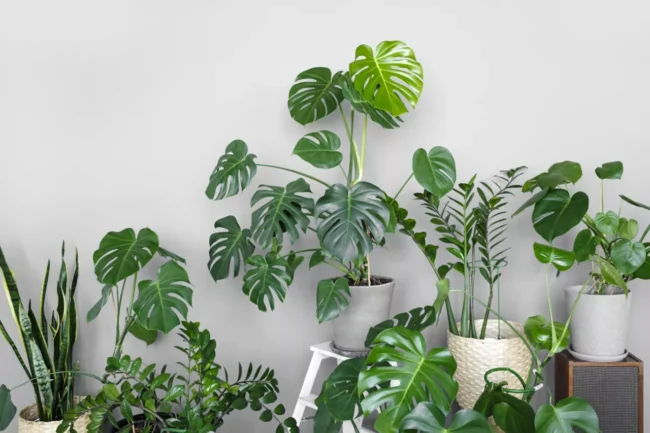
Tips for caring for plants
Indoor plants differ in their care requirements. Each type has its own characteristics, requirements for watering, soil and exposure to the sun. There are a few general ground rules that should be followed in everyday growing. The most common mistakes when caring for plants arise from neglecting their basic needs or not knowing them at all.
Observe and study your plants, because each species has different needs for light, water, fertilizer:
- Plants need proper light to grow and place them in places where they will receive the required amount of sunlight depending on their needs;
- Watering is necessary for healthy plant growth, but it is important to do it correctly; over- or under-watering can be harmful;
- Plants need nutrients to grow strong and healthy using natural or organic fertilizers;
- gently wipe the leaves with a damp cloth to keep them clean, allowing them to breathe normally;
- removing faded leaves and flowers stimulates their growth;
- Regularly check for pests and diseases.
By following these practical tips, you can keep your hair looking radiant for a long time.
Correct lighting
Every flower must have access to light, and this is the most important factor. It is worth checking how much and what kind of light the grown specimens need, and whether one plant is blocking the access of light to its neighbor. They need light for photosynthesis, an important process in which light energy is converted into chemical energy for development.
It is important to understand that not all plants require the same amount of light, so it is important to know the specific needs of each species to avoid problems such as stunted growth, yellowing leaves, or even plant death.
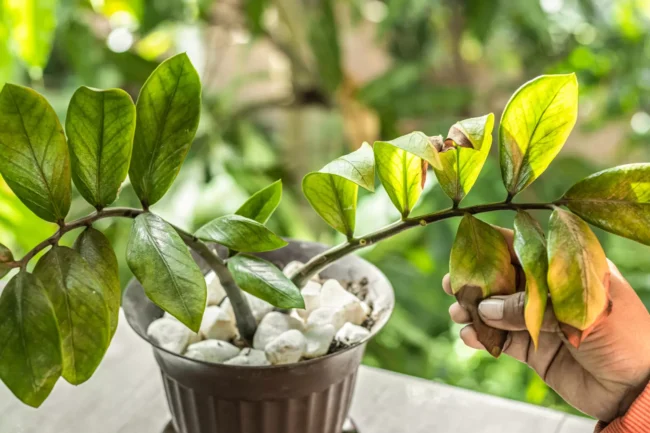
It is necessary to place the plants in the right place according to their light requirements. Some require direct sunlight for several hours a day, while others prefer indirect light or even partial shade.
Note! Popular species such as monstera, orchids, and ficus are often placed where they visually match the interior design and are simply beautiful. This arrangement does not always suit their needs. They require plenty of indirect daylight to grow. Placing them away from windows is not conducive to their well-being. The situation is especially worse in autumn, winter and early spring, when the days are short and cloudy.
In summer they should be moved away from the glass due to high temperatures. Leaves may get burned. In winter, when a window is opened, a gust of cold air attacks the plants.
Choose the right soil for your plants
Soil mixtures are selected depending on the type of plant. Potted plants in nature often live in a wide variety of conditions. Some of them prefer constantly moist soil, others store water in their leaves and like the soil to dry out. First of all, we need to know the origin of the plant and its needs.
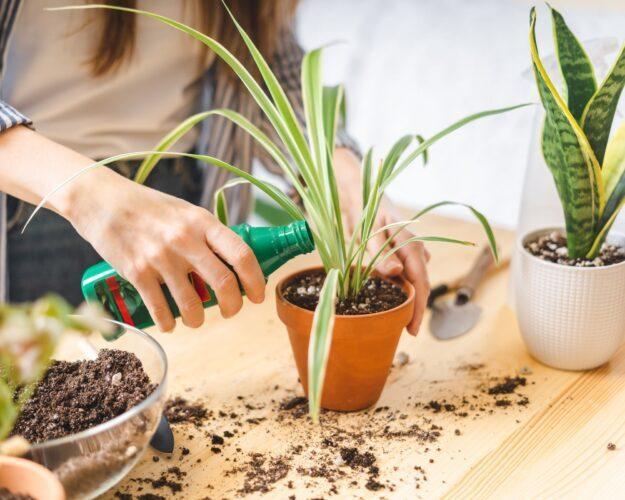
Pay attention to the permeability of the substrate and its pH level. Some plants prefer acidic soil, while others need more alkaline soil. It is recommended to carry out pH tests to adapt the soil to the specific needs of the plants.
Additional Information! One key aspect to pay attention to is drainage. Well-drained soil allows water to drain properly, preventing waterlogging and moisture buildup that can be harmful to roots. On the other hand, poorly drained soil can cause problems such as root rot.
Keeping plants in the same pot for many years has a negative impact on the soil. It becomes salty and loses fertility. How often should plants be repotted? Once a year. Otherwise they will lose all their charm.
The importance of watering in plant care
Watering is a key factor in care as water is essential for plant survival and healthy growth. Most plants need slightly moist soil. Lack of proper moisture causes leaves and flowers to fall off.
However, one of the most common mistakes novice gardeners make is over- or under-watering. Excessive watering can lead to waterlogging of the roots, which interferes with the absorption of nutrients and oxygen, and underwatering can lead to wilting and death of plants. The best way is to check with your finger whether the soil in the pot is moist.
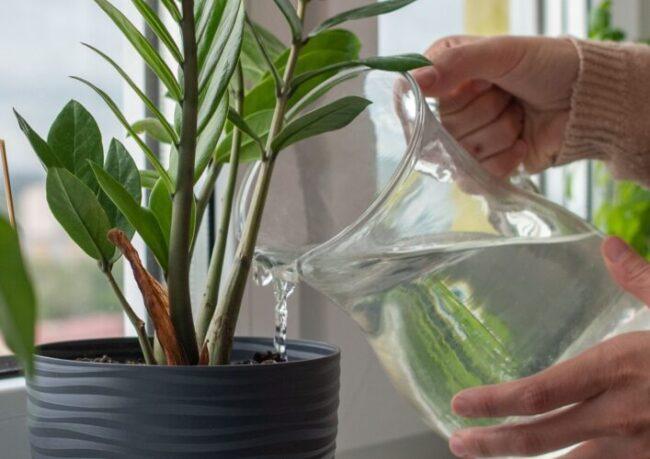
Another aspect to consider is the frequency of watering. It depends on the type of plant and weather conditions. Some plants need to be watered more often than others and require more water in the summer. Unfortunately, forgetting to water potted plants is one of the most common mistakes we make.
Plants also have special temperature requirements
Some plants prefer warmer temperatures, while others need cooler ones. Additionally, sudden changes in temperature can be harmful to plants, especially if they are sudden or frequent. It is very important to maintain a constant and suitable temperature for the plants.
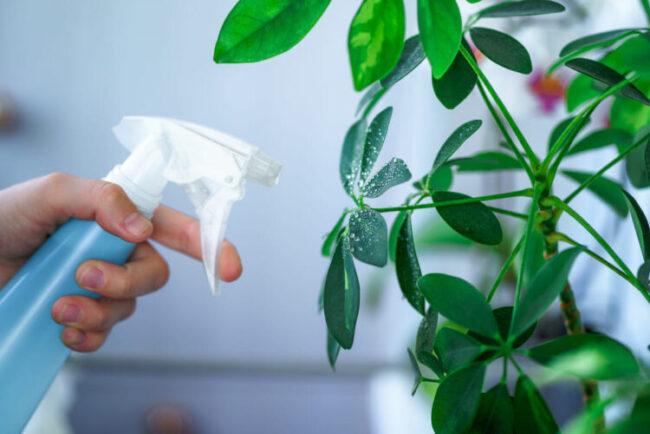
Humidity also plays an important role in caring for potted plants. During the heating season it decreases to 40-30%, which has a negative effect on plants. In order for plants to develop properly, the air humidity in the apartment should be about 70-80%. It is impossible to achieve this without a humidifier and spraying the leaves with water.
Feeding indoor plants
Access to light and water is just as important as feeding plants based on the needs of a particular species. It is important to consider using natural fertilizers. They are a healthy and environmentally friendly alternative that provides essential nutrients.
Lack of nutrients can affect the health of plants and reduce their ability to produce flowers. On the other hand, excess nutrients can also be harmful and cause leaf burn or root damage.
Note! Too large doses of fertilizer can lead to oversalinization of the soil in the pot. This, in turn, will have a very bad effect on the roots. Therefore, you should first water the plant and then fertilize it.
Pruning indoor plants
Pruning is a common maintenance method, but it is not always necessary. If you notice dead, diseased or damaged branches, it is a good idea to trim them back to prevent them from affecting the rest of the plant.
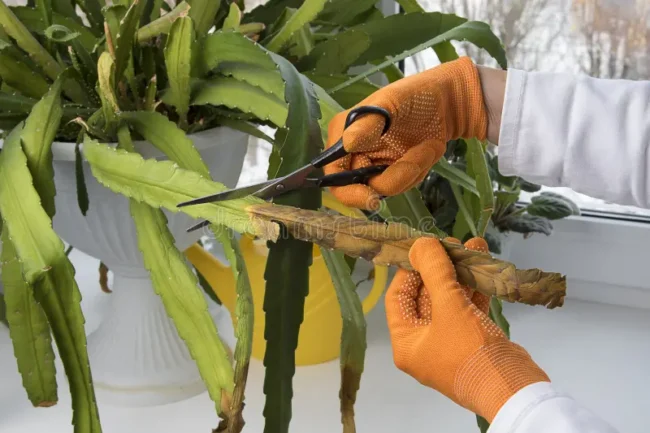
Some plants need to shorten their shoots. This treatment is best done in the spring. After winter, it is best to get rid of many dried and pale leaves. It is also recommended to prune in the fall, especially for plants brought indoors from outside. Experts advise cutting off all damaged shoots, regardless of the season.
Choosing the right pot
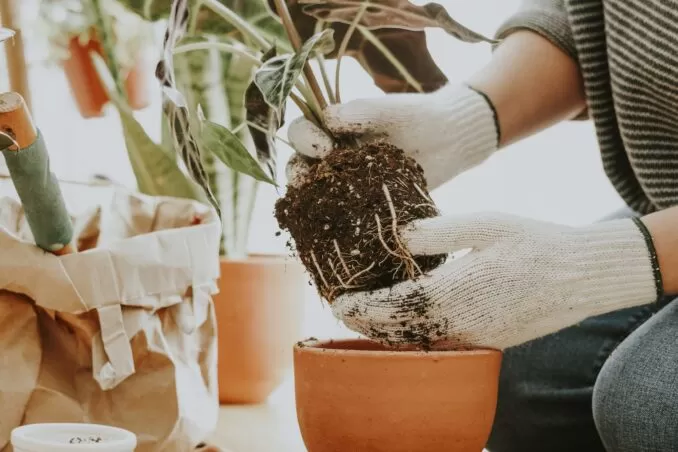
Choosing the right pot for your plants can have a significant impact on their development and health. They must be chosen with care to ensure that they are made from the right material to promote growth and well-being.
This will allow the plant to grow healthy and strong. Selecting the size of the pot to suit the needs of a particular plant is critical to its good growth and development. The pot should be slightly larger than the volume of the roots, which will allow the plant’s root system to develop freely.
Prevention of pests and plant diseases
Pests such as spider mites and aphids can weaken plants and spread diseases, so it is important to take preventative measures to prevent their occurrence. An effective way to repel pests is to regularly clean the leaves. It is also a good idea to periodically check plants for signs of infestation, such as spots or deformed leaves, and take immediate action if any pests are detected.


