

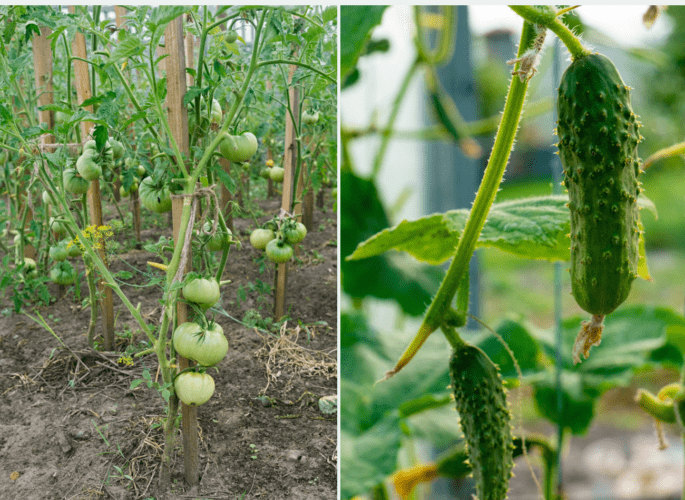
Basic rules for growing plants
Healthy and well-cared for plants will definitely reward you with beautiful appearance and flowers. Gardening requires patience, precision, and acquiring knowledge about individual plants. For full development, they need a suitable place, a suitable substrate, watering adapted to its needs, access to sunlight and nutrients from the soil.
Note! If you’re not an experienced gardener, don’t start with everything at once. To start, choose fewer plants to make them easier to care for. As you gain experience, caring for your plants will become easier.
Each plant requires different planting conditions to develop and thrive. They may require a lot of sunlight or only partial sunlight. Temperature may also vary depending on the seed or seedling.
Beginning gardeners should not buy rare, capricious and unusual plants for a given climate. Such crops require comprehensive and constant care, and if for some reason something is missed, they will die.
Wrong places for planting
The mistake of summer residents is incorrectly chosen planting sites. Many crops prefer certain weather conditions – sunny areas, partial shade or protection from the wind. Be sure to follow these guidelines, otherwise the plant will burn or dry out.
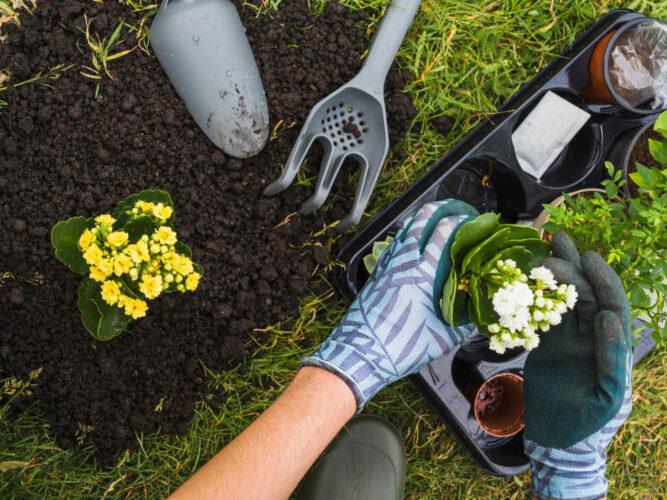
Some plants like full sun and grow quickly because of this. Others prefer light shade, and too much sun causes them to burn: the leaves turn yellow and stop growing. Onions, cabbage, parsley and celery love shade. The sun is for tomatoes and peppers.
Proper soil preparation
Planting and sowing in regular garden soil may not be effective and will not provide an environment conducive to growth. The soil must be prepared so that it can provide more nutrients.
The soil must be prepared every year before planting new plants, as well as around those that have survived throughout the year. If this process is neglected, the likelihood that the planted areas will not bear fruit or even wither prematurely is quite high.
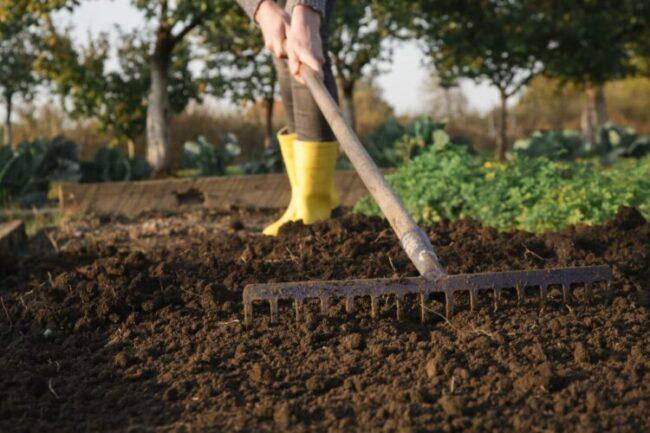
Prepare the soil in early spring, let it rest, and when the weather is right, plant using compost, natural fertilizers and mulch to allow the plants to grow at their best.
Tilling and adding compost or other natural fertilizers can help enrich the soil and prepare it for new plants. Good soil ensures a healthy start from planting to harvest. Gardening in poor soil is a recipe for failure and many complications.
Soils provide root support and hold water and nutrients needed by plants. The type of soil in which the seedlings are planted plays an important role in their development. It’s important to test your soil’s pH levels beforehand to make sure it’s suitable for what you’re growing in it.
Weeds and non-native plants compete with crops for space, water and soil nutrients. Failure to address such problems will result in excessive weed growth and eventually they will cover the crops.
Many summer residents mistakenly neglect to dig up their plots in the fall, believing that all the weeds will freeze over the winter anyway. But it’s not right. After harvesting, the area must be dug up, since pest larvae and weed seeds overwinter in the upper layers of the soil.
The soil should not be left open. Mulch in the garden is a real salvation for us. It nourishes, fights weeds, retains moisture longer, so you can water your plants less often, and maintains the appropriate soil temperature.
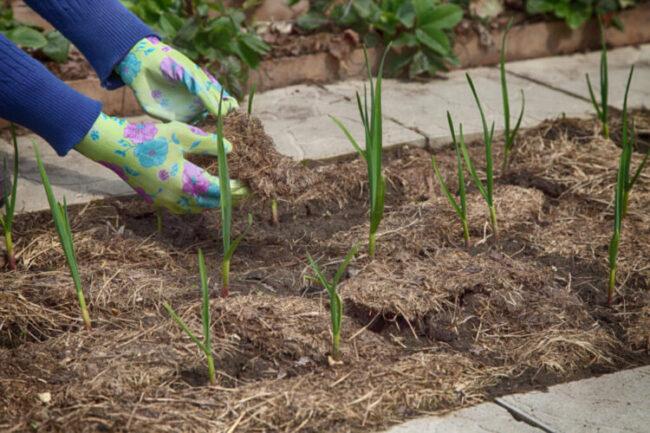
However, adding a large mound of mulch can have the opposite effect. This can prevent water and light from reaching the roots. Using a little mulch will do nothing to stop weeds.
Additional Information! Throwing fallen leaves from trees is a big mistake. They are composted to make an excellent natural fertilizer for the garden. The branches can also be used to make mulch for vegetables and shrubs. And from the remains of weeds you can prepare an infusion for feeding the garden.
When using leftovers for mulching, be sure to remove rotten and diseased fruits, otherwise the disease will spread from them to healthy plants.
Mistakes when watering plants
They also need water to survive, and plants need to be watered to grow healthy. If watered incorrectly, crops may not receive enough water, the harvest will deteriorate, or the plants may even die. Therefore, irrigation is very important for growing vegetables, especially during dry periods.
Note! Vegetables need the right amount of water. Overwatering can cause fruit to crack or leaves to die. Be sure to provide a way for water to drain after heavy rains or watering.
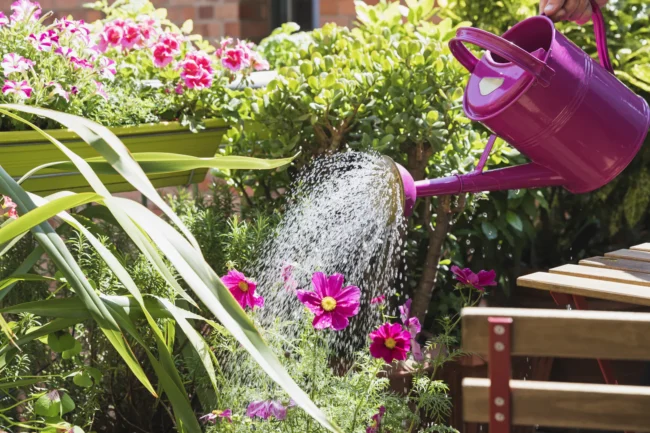
Remember that plants drink water through their roots, so the moisture should be inside, not outside. When watering, the finger test works well. The general rule is to insert your finger into the soil to a depth of about 1 cm. If it is damp, do not water.
Improper use of fertilizers
Lack of essential minerals causes disturbances in plant development. Different plants require specific nutrients, but nitrogen, phosphorus and potassium are always needed. However, it is worth remembering that you can overdo it with fertilizers and this is not the best solution.
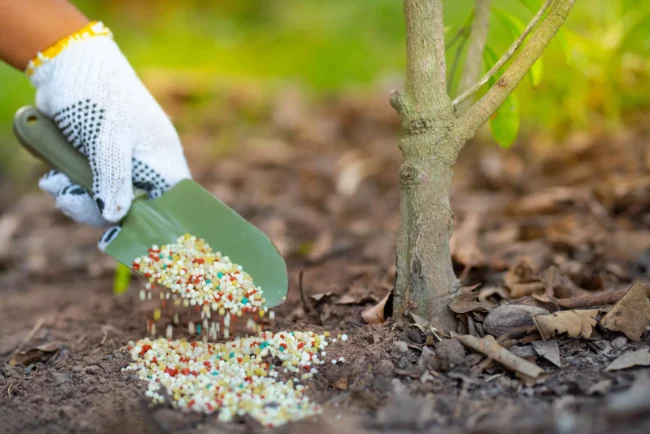
A common mistake gardeners make is uncontrolled feeding of plants. Applying fertilizers to your plot is a case where it is better not to overdo it than to overdo it. Excess of the substance can burn the plants. It should also be remembered that all fertilizers, except liquid ones, should be applied to moist soil.
Failure to comply with crop rotation
The most important thing that you should not do in the garden is to violate the rules of crop rotation. Crop rotation is necessary to protect crops from disease infection and pest attack. There is no need to plant the same crops in the same area every year. If you constantly plant vegetables in one place, the soil is quickly depleted, and diseases and pests of these crops are transferred to the new crop.
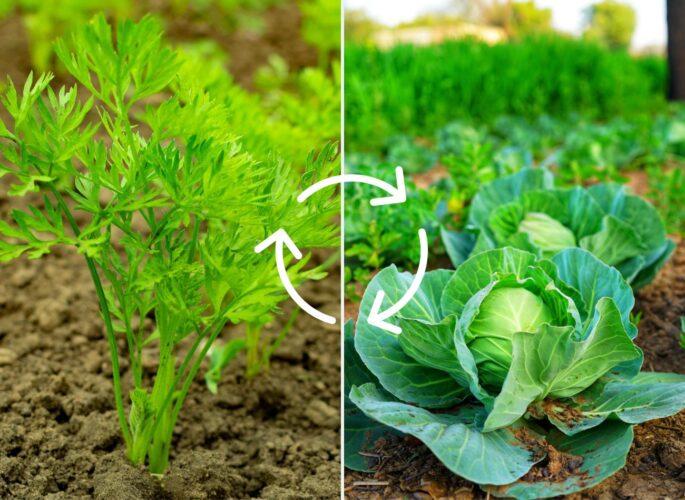
In the garden, some plants can benefit each other and even work together to fight pests. Others steal nutrients from their neighbors and attract insects that can harm them.
When organizing crop rotation for an organic garden, it is worth considering the positive and negative proximity of plants. A very beneficial combination is to plant carrots next to onions. Its scent repels carrot pests such as carrot leaf mites. In turn, carrots repel onion moths, a pest of onions.
Carrots are also good to plant next to: leeks, beans, dill or radishes. However, she does not like the presence of cabbage, potatoes or beets. Potatoes should not be planted next to tomatoes, as both vegetables are susceptible to late blight.
Incorrectly calculated plant size
Another important issue is the correct distance between sowing and planting. It should be remembered that excessive density causes moisture to remain longer and contributes to the spread of diseases and pests.
When planting plants, some gardeners do not consider how much space the plant will take up as it grows. They should have enough space to ventilate and receive sunlight. Planting too many seeds or seedlings is a mistake when growing plants. Therefore, before sowing, it is necessary to calculate to what size the crop will grow.
One of the common mistakes in gardening is that the deeper you plant the plant, the better. Plants such as peas and beans should be planted a little deeper because they need a lot of moisture to germinate. However, all small seeds also require sunlight in addition to water to germinate. Before sowing, you need to loosen the soil well so that the seeds fall between it.
Incorrect pruning
Pruning trees and shrubs is one of the most important maintenance procedures. Unfortunately, many gardeners find pruning difficult, and improper tree pruning can easily damage the plant. By pruning at the wrong time, you can deprive a flowering bush of its main decoration – flowers.
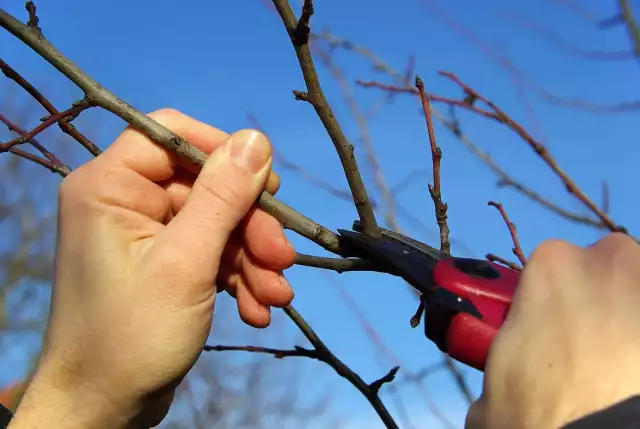
Untimely pruning can lead to the removal of flower buds and the bushes simply will not bloom or the flowering will be very weak. It is better not to prune shrubs and trees at all than to prune them incorrectly. Inexperienced gardeners can remove flower buds or prune healthy branches instead of diseased ones. Cutting anywhere, at the wrong angle, is harmful to plant development. Do not prune during periods of intense sap circulation.
The fight against diseases, pests and weeds in the garden is carried out throughout the season. A variety of methods are used. It is very important to recognize the problem and respond quickly. This will increase the chances of success and limit losses. Unfortunately, most often mistakes are made due to lack of knowledge.
Many people neglect to take steps that can reduce the risk of disease and pests. In addition, plants should be preventively sprayed and watered with environmental preparations,
Premature covering of plants
Many plants require additional protection from frost. Covering young plants with agrotextiles or straw can provide them with protection from low temperatures.
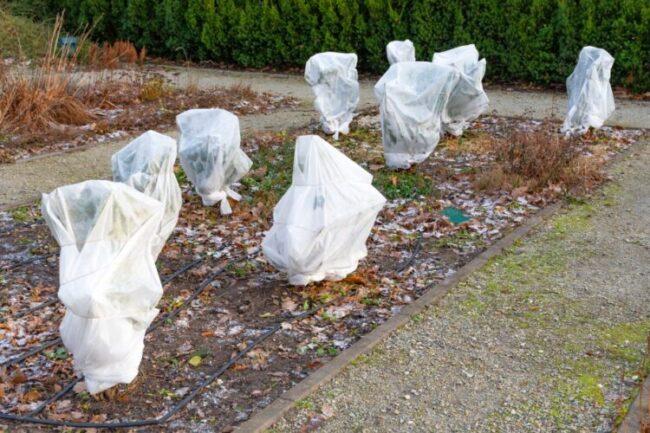
With the arrival of frost, many summer residents rush to quickly protect their plants from the cold. But there is no need to rush in this matter. If you cover them too early, when frost has not yet set in, condensation will begin to accumulate under the film as the weather warms up and the plant may rot. They wait for the onset of stable frosts and only then cover the plants. And during the first frost, you can cover the roots with mulch.


