

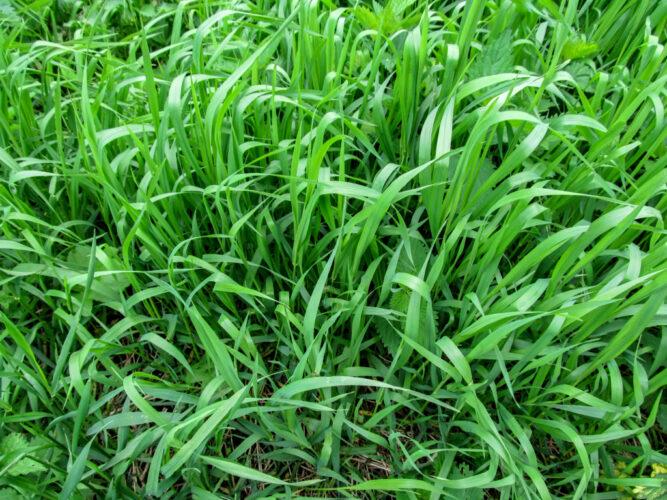
Couch grass: description
The creeping couch grass (Elymus repens) is a weed of the Poaceae family and is found almost all over the world, inhabiting humus-free, sandy and clayey damp soils. It can conquer large territories within a few years.
It grows everywhere: in fields, gardens, vegetable gardens, along roads, and multiplies at an incredible rate. It grows in any soil and feels good even in a summer cottage with acidic soil. Even the smallest piece of root that ends up in the soil grows quickly and chokes out crops.
In the garden, couch grass is a terrible weed that is difficult to control. It spreads both by seeds and underground creeping shoots. Even mechanical soil cultivation contributes to its spread, since the rhizomes often spread throughout the entire area.
The wheatgrass root can grow up to one meter per year under favorable conditions and form numerous daughter plants. They usually run horizontally in the soil at a depth of 3 to 10 centimeters.
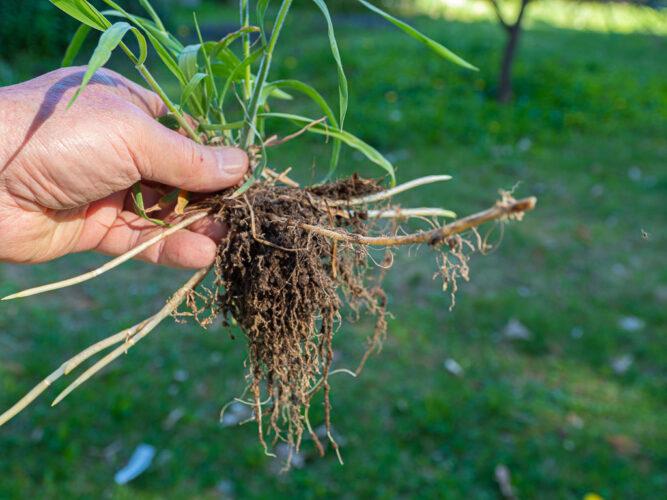
The weed easily tolerates any droughts and frosts, and its seeds begin to germinate already at a temperature of +2°C +3°C. Of course, all these qualities taken together form a type of malicious pest in gardens and vegetable gardens.
How to fight couch grass in the garden?
The manual method of combating couch grass is more often used. It is still possible to fight couch grass manually on a small plot, but on a larger one you will have to spend a lot of time and effort.
If there is couch grass in the garden, simple chopping and pulling it out brings only short-term success. Soon new stems grow again from the underground rhizomes. Each new growth must be successively removed again. However, this method is tedious, and it usually takes a whole season before the first successes are visible.
If weeds are growing in an area that has not yet been planted, it is best to remove the rhizomes piecemeal using a digging fork. This will prevent damage to the weed roots. In loose soil, flat stolons can often be pulled out of the soil.

On clay soils, control is more difficult: here, every short piece of soil must be shaken out. After completing the work, all plant residues must be removed from the site and destroyed.
Please note! As soon as trees and shrubs shade the soil, couch grass is forced out, as it is highly photophilous and shading greatly limits its vitality. Nightshade plants greatly shade the soil with their lush foliage and reliably suppress the growth of new shoots from the remaining pieces of rhizome.
Deprivation of sunlight and moisture can kill the plant in about a month or a little longer. You can cut off the shoots, then spread cardboard over the entire area and cover with a layer of soil. Cardboard usually rots within a year, and the couch grass suffocates under it, because the shoots can no longer grow to the surface.
Tree bark is an excellent mulching material that limits water evaporation, prevents the development of unwanted weeds, prevents excessive drying of the soil, protects plant roots from heat and cold, and beautifully decorates the area.
Planting plants that suppress couch grass
Mulching and sowing green manure is a safe way for people and animals to combat couch grass and other weeds. It is recommended to plant a green manure crop together with couch grass in one area and leave it until autumn, and in autumn the soil on the area should be dug up.
There are several crops that not only enrich the soil, but also effectively combat weeds. These include:
- winter rye;
- clover;
- buckwheat;
- oats;
- peas.
Green manure suppresses weeds, including couch grass, due to its rapid growth. This method can not only get rid of weeds, but also enrich the soil with nutrients.
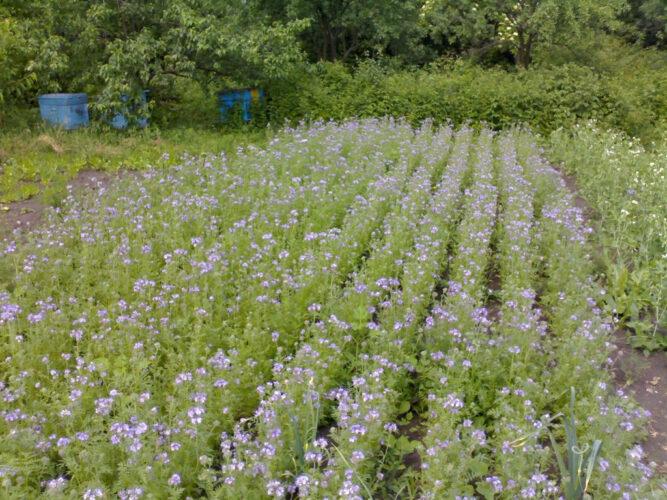
There are plants that are very effective at fighting weeds, such as dahlias. Over time, they will free the area from couch grass without much effort.
Additional information! Optimization of crop rotations is of great importance in the fight against couch grass, which prevents excessive weed infestation. In addition, this limits the spread of diseases and pests.
If couch grass grows in a bed of perennials, you need to dig up the perennials in the fall or spring, divide them and carefully remove the white rhizomes of the couch grass from the root balls, and replant the bed with perennial cuttings.
To get rid of couch grass on raspberries, it is recommended to cover the ground with tree bark, straw, fallen leaves, overripe sawdust or thick black polyethylene film. Such auxiliary means block access to light – without it, the weed will not be able to grow. This method is perfect for protecting raspberries and strawberries.
How to Fight Wheatgrass on the Lawn
Weeds cause significant damage to the lawn, competing with cultivated plants for more nutrients, moisture and light. However, remember that the best solution to the problem of weeds on lawns is their prevention. Proper care: fertilization, mowing and watering will definitely help the grassy plants fight unwanted guests.
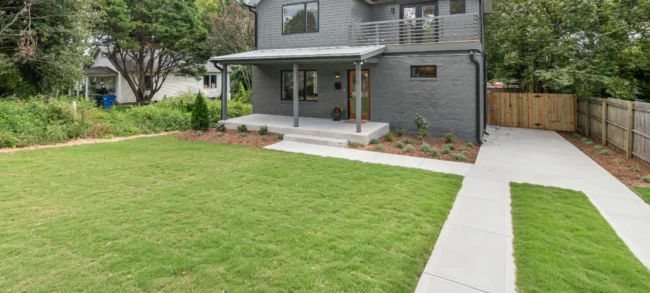
Please note! If weeds appear on the lawn, this may mean that the grass is weakened and lacks suitable conditions for development. You can remove unwanted vegetation manually, with an ecological approach.
Homemade vinegar-based products – a remedy for weeds on the lawn. This type of spray can be made from a liter of water, a glass of vinegar and half a glass of salt (the ratio of vinegar to water is 1:4). You can also mix vinegar with water in a ratio of 2:1, without adding salt. However, vinegar can also kill other plants, so use it carefully so as not to get it on the grass or other crops.
Manually removing weeds from a lawn is a rather labor-intensive method, but it is completely safe for human health and the environment. However, if the garden plot is overgrown with couch grass or other weeds, weeding may not be a sufficient solution to the problem. Then you will have to use chemical herbicides. The use of herbicides is simpler and more effective, which prevents the settlement of lawns by harmful plants.
Weed control in crop fields mainly consists of weeding and herbicide treatment. But weeding is not always an effective weed control measure and requires a lot of effort.
If after harvesting it is worth digging up the soil and removing the rhizomes from the area on the soil surface. Usually small fragments of grass, roots and weed seeds remain. All this dies with the arrival of the first frosts.
Treating the area with special products containing herbicides is the most effective way to combat weeds, but these products should be used with caution, strictly following the manufacturer’s recommendations. This method often allows you to get rid of weeds without weeding.


