Safety
Garden lamps are powered by mains power, solar panels and batteries. All of them must have a high degree of protection. For safety reasons, not all lamps are suitable for outdoor use. This also applies to light switches, electrical outlets and string lights. The reason is simple – the risk of electric shock and fire. In addition, garden lights with increased protection are more durable.
Additional Information! Manufacturers indicate the degree of protection of lamps in the same way – the IP symbol with two numbers, for example, IP 44. The first number next to IP is information about how resistant the lamp is to dirt penetration. The second number next to IP indicates the lamp’s resistance to moisture and water. It is worth remembering that when buying garden lamps you cannot buy models with a degree of protection lower than IP 44.
Garden lighting not only serves the aesthetics of green areas, but it is also necessary for safety. Well-lit paths reduce the number of accidents in the garden such as trips, slips or stepping on sharp objects. Investing in a simple lighting system will allow you to enjoy your garden safely in summer.
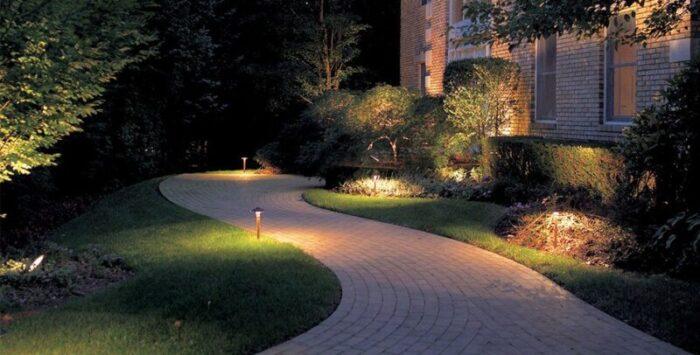
The first important factor to consider when choosing garden lighting is the sealing of the fixture. If it is intended to be installed outdoors, the light bulbs must be resistant to various weather conditions, including moisture. The tightness is determined by the IP protection level, which is indicated on the lamp packaging. It is safest to choose those with an IP class of at least 54
If there are steps in the garden, you should take care of their lighting, as this increases safety in the dark. It is best for the light to be diffused and placed in the most visited parts of the garden or terrace.
Note! In order for garden lighting to harmonize with each other, it is selected from an aesthetic point of view so that all elements match each other. It is ideal when it performs both practical functions and looks beautiful.
However, it is worth observing moderation so that the light is soothing and pleasing to the eye. Too many light sources can irritate the eyes and create too much contrast with an unlit space. It is worth remembering that the garden and terrace are places for family gatherings, so if they are designed with special care, they will delight their owners for longer.
How to install garden lighting yourself?
To ensure that garden lighting is effective and functional, it is better to plan the entire installation in advance than to combine elements of a thoughtless purchase later.
To power the entire lighting system, an appropriate transformer is required, the power of which will depend on the number of elements and their power consumption. Each lamp comes with a ready-to-use cable with a twisted connector.
System gasket
The entire process of arranging a garden lighting system can be done independently, depending on the complexity of the installation. The main cable connecting the lamps or LED strips and the transformer must be of the appropriate length so that when laid it covers all the places where the light points will be placed.
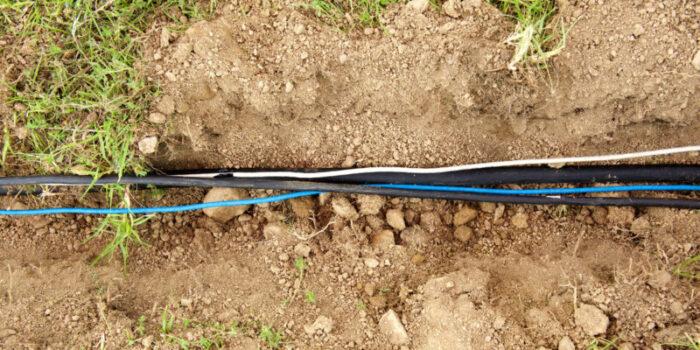
After laying the main cable, place light-emitting elements in the garden. Each element is connected to the main cable using an appropriate adapter with moisture protection. It should be emphasized that the system wiring does not need to be buried as it is waterproof and blends perfectly with the garden greenery.
Garden lighting. How to choose garden lamps
Garden lighting can come in a variety of forms, including: wall lights, reflectors, floor lamps or posts of varying heights. Choosing the right type of garden lights depends on individual needs and the size of the usable area.
Types of garden lamps
There are many types of garden lighting available on the market. Popular outdoor garden lamps.
Garden sconces are usually installed on the facade of a building. A good solution is to equip the sconce with a twilight and motion sensor. Then the light turns on itself both when it gets dark and when there is movement. Wall lights can also have a feature that automatically turns off after a preset time. This saves energy.
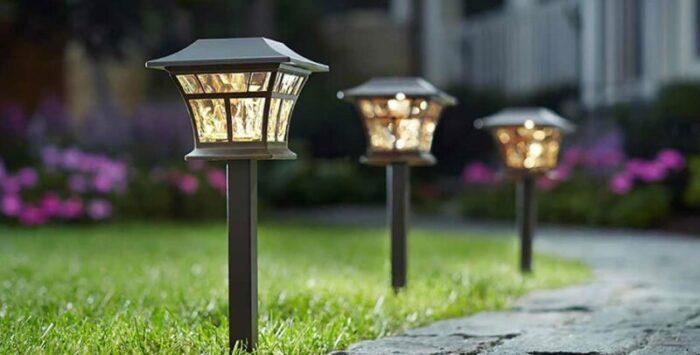
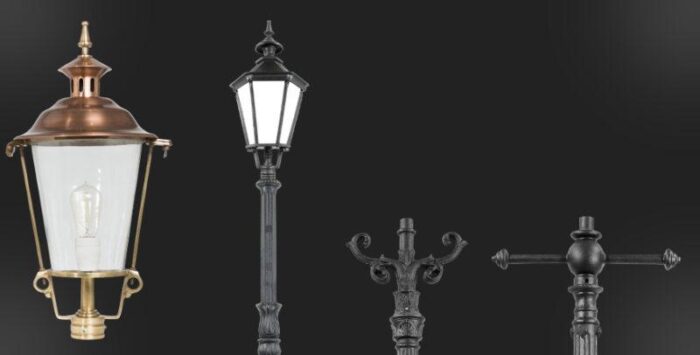
Pole lamps can be of different heights, but it is important that their installation guarantees high stability, which is why they are most often attached to a concrete surface. For convenience, it is worth equipping them with automatic motion sensors. This is how paths or favorite places in the garden are most often illuminated.
Spotlights are often used to illuminate ponds from different sides or individual parts of the facade.
Pendant and standing patio lights come in many designs, both traditional and more detailed forms. A set of multi-colored lamps or small lamps in the form of garlands will also add charm to the terrace.
Solar lamps are, above all, an excellent investment that allows you to significantly save energy. They do not need to be connected to electricity, since the energy source is solar radiation.

Note! Energy-saving LED lamps are increasingly being chosen, thanks to which you can save about 70% of electricity. This is especially important when lighting is used for many hours.
LED garden lamps are an excellent modern method of garden lighting. Easy-to-install tape coated with a layer of waterproofing polymer allows you to install lighting underwater, adding shine to ponds and fountains
A more classic use of LED lighting in the garden involves installing a strip or strip system along a path or at the edge of a staircase or terrace. LEDs are extremely energy efficient and easy to install. The most common choice is for solar lights to be placed along the path to and from the home.
No less popular are garden lamps mounted in large glass globes, which combine tradition and modernity and therefore look good in any setting.
People who have lush vegetation in their garden often choose garden lights that are positioned in such a way as to enhance the natural beauty of the greenery. Lighting is also installed near ponds, fountains and sculptures. This will allow you to enjoy them on warm summer evenings.
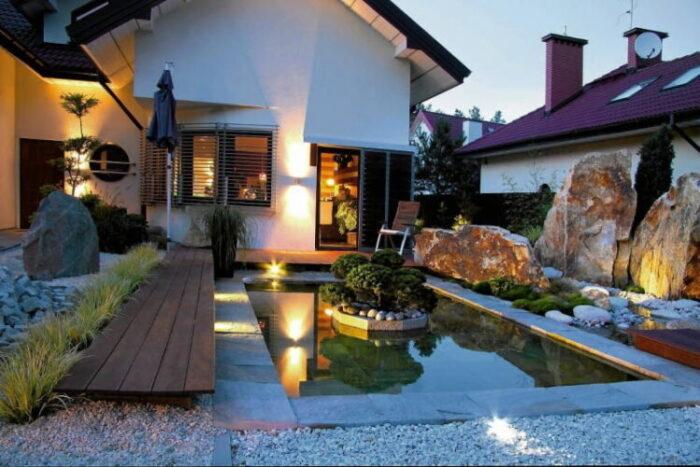
Recessed lights are less expensive than pole lights and require a little more effort to wire them to the system, install them, and seal them.
Aluminum or stainless steel wall lights are an excellent garden lighting option that allows you to illuminate greenery and other garden features from top to bottom, such as walkways in gazebos, etc. The only downside to this lighting option is the required mounting surface at the appropriate height.
Regardless of the type of lighting, each electrical installation must be connected by a specialist. Only this guarantees safety.
Garden accessories
An indispensable element of modern garden lighting are accessories that support the operation of the entire system. The most popular accessories include motion sensors, radios, and switches.
Thanks to the sensors, the lighting will be turned on only when moving around the garden or when entering the territory by car. Radio receivers allow you to control lighting without additional wiring. Garden lighting switches with time synchronization will ensure that the lighting automatically turns on after dark.