

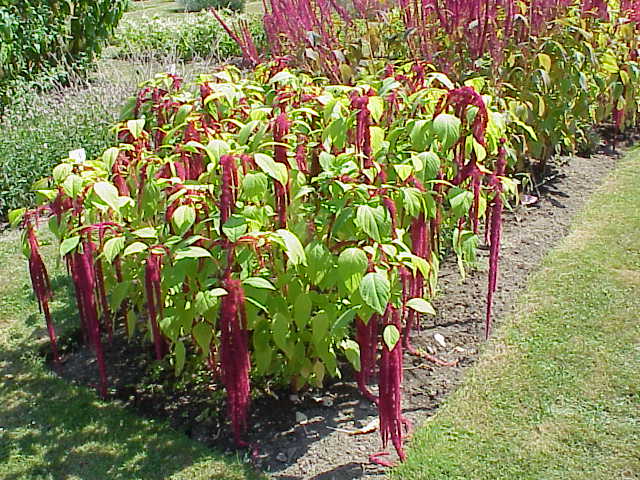
Amaranth: plant description
The culture comes from America, but is now spread throughout the world. It belongs to the amaranth family and is a pseudocereal. The genus Amaranth contains about 60 species, but Amaranthus cruentus L, known as amaranth, is cultivated for food purposes.
Amaranth in the garden is a very decorative and undemanding plant. The height can reach, depending on growing conditions and climate, from 30 cm to several meters. Some subspecies and varieties grow upward, others are more of a ground cover. Thick roots grow, sink into the ground, branch strongly and have a reddish color.
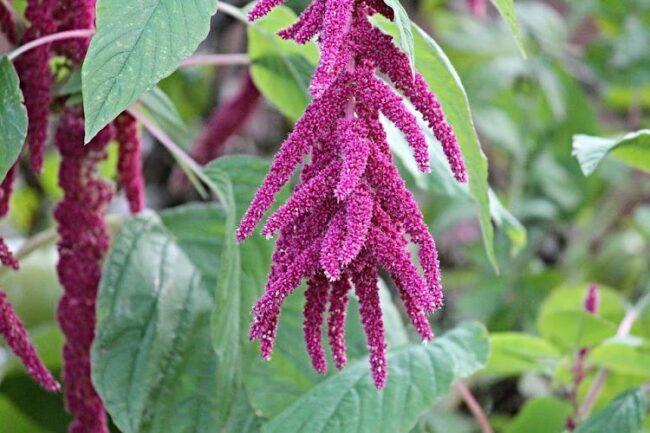
Amaranth has a red stem, curved at the top, from which grow large, lush green, veined leaves up to 15 cm long. They are edible and taste similar to spinach or chard.
The plant blooms from June to October, forming large hanging lush panicles consisting of a large number of small flowers. They come in purple, yellow, beige or white. These inflorescences can reach a length of up to 90 cm. It takes up to four months from sowing to seed ripening, depending on the climate. The shells contain grains similar to millet.
Healing properties of amaranth
The numerous properties of amaranth make it an extremely valuable ingredient that is worth including in your daily diet. The grains of the plant are a completely gluten-free food product, and their chemical composition allows them to be consumed by people struggling with atherosclerosis, anemia, as well as diseases of the circulatory system and heart.
Additional Information! Cereals are especially recommended for people with increased needs for vitamins and minerals, such as athletes or people suffering from chronic diseases.
The main vitamins in amaranth grains are antioxidants, that is, vitamins A, C and E, which are necessary to fight free radicals in the body. The seeds also support the functioning of the nervous system, providing the body with B vitamins.
The seeds are a source of minerals such as iron, magnesium, zinc, potassium and B vitamins including B1, B2, B6, vitamin E and niacin. The high content of vitamins and amino acids in amaranth grains allows you to enrich your daily diet with missing ingredients.
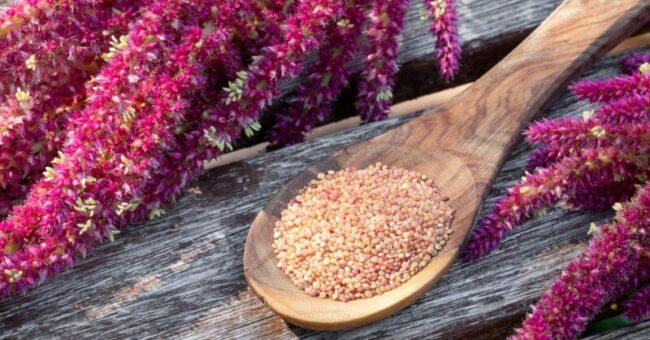
Amaranth is characterized by a high protein content with a very favorable amino acid composition and high biological value, which significantly increases its digestibility by the body. Amaranth seed protein can be used to produce milk replacers for people with lactose intolerance.
The fat content of the seeds is about 6-8%. They are especially rich in linoleic, oleic, palmitic and stearic acid.
Note! Linoleic acid is an essential unsaturated fatty acid that the body cannot synthesize on its own, which is why its intake from food is so important.
In addition, amaranth is high in dietary fiber. One of the biggest benefits of amaranth is its squalene content. It helps slow down the aging process of cells, which means it has an anti-aging effect. This ingredient is called a natural antibiotic because it supports the immune system and prevents the development of microorganisms in the body.
It is present in all vegetable oils, but in very small quantities. In amaranth oil its content is more than 6%. In the human body, squalene is a natural component that protects the skin from the harmful effects of external factors. A by-product of the synthesis of squalene is a compound commonly known as DHEA, that is, the youth prolongation factor.
What nutritional and health properties does amaranth have?
Amaranth grass has high nutritional value, containing vitamins and minerals valuable for the human body. Amaranth flour is considered one of the healthiest and its consumption is currently on the rise, especially among gluten allergy sufferers and vegetarians, as it is an excellent source of vitamins.
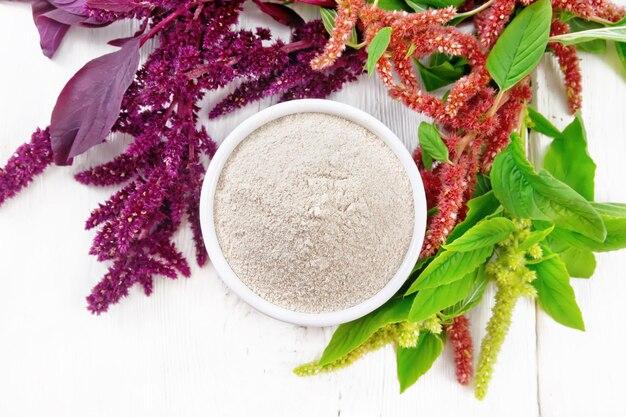
The seeds of the plant are primarily a valuable source of phosphorus, potassium and magnesium, and consuming one hundred grams of seeds can cover 1/3 of the daily calcium requirements. Due to its high iron content, amaranth is recommended for people suffering from anemia and pregnant women. Amaranth is also a valuable source of protein, and its seeds contain more protein than yogurt and milk.
Regular consumption of amaranth also helps prevent cardiovascular diseases, and due to its high fiber content, it promotes weight loss and prevents obesity problems.
What health benefits can amaranth bring:
- reduces and regulates blood glucose levels;
- provides the body with essential vitamins and minerals;
- prevents the development of anemia resulting from too low iron intake;
- regulates cholesterol biosynthesis;
- can be used by people with gluten allergies;
- supports the proper functioning of the circulatory system;
- slows down the process of physiological aging of the body due to the high content of squalene;
- regulates digestive problems and ailments related to the digestive system.
The plant has a positive effect on the cardiovascular system. Due to its polyphenol content, amaranth has antioxidant properties. This reduces oxidative stress, which reduces the risk of cardiovascular disease and cancer.
Note! People who have problems with high cholesterol are advised to include it in their diet. It has a hypoglycemic effect, which means that consuming it affects blood sugar levels.
How to use amaranth in the kitchen?
Regular consumption of this amazing plant can provide enormous health benefits. The seeds are very tasty, and due to their high content of vitamins, minerals and amino acids, they have a great impact on overall well-being.
How to prepare a dish from amaranth seeds? They should be poured with boiling water, then reduce the heat and cook under the lid for about 15 minutes in salted water. Properly prepared amaranth can be recognized by its soft consistency and shiny surface.
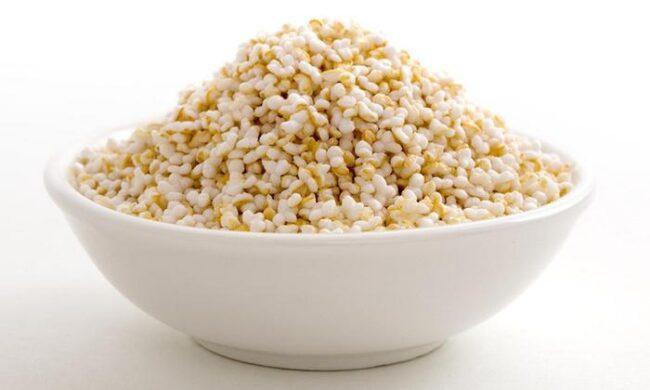
Amaranth flour is also widely used in cooking. You can use it to make delicious pancakes, muffins, cookies and much more.
Amaranth oil can also be used in cooking, but it should not be used for frying as it loses its nutritional value at high temperatures.
Amaranth in cosmetics
Amaranth oil is gaining increasing recognition not only in dietary nutrition, but also in cosmetics; it has a nourishing and moisturizing effect. The oil perfectly moisturizes and nourishes the skin and hair. It is readily used in many recipes for creams, shampoos, masks and balms. It has very good emollient properties and helps relieve many skin diseases. Has anti-wrinkle properties. Ideal for the care of both dry and mature skin and oily and acne-prone skin.

Squalene gives amaranth oil anti-aging and anti-inflammatory properties, and has a positive effect on the transport of nutrients contained in cosmetic products to the deeper layers of the skin.
Amaranth oil has a high concentration of vitamin E. Thanks to it, the entire product acquires anti-aging properties and also protects the walls of blood vessels, helping to reduce the visibility of blood vessels and reduce redness
The effect of amaranth oil on hair
Amaranth seed oil has a beneficial effect on dry and damaged hair and restores healthy shine to dull strands. Does not place excessive stress on strands. Well tolerated even by sensitive and irritated scalp. Regulates sebum secretion and strengthens weakened hair follicles. Makes hair less greasy and more susceptible to combing and styling.
The only contraindication to its use may be food allergies, which is an extremely rare occurrence.


