


What does sage look like?
The Mediterranean native is a semi-shrub that grows to a height of approximately 60 cm. The leaves of sage are quite long (6-7 cm), ovoid or lanceolate. They are thick, leathery with a corrugated surface, covered with fine hairs, which gives them a silvery color. They (and young shoots) are the herbal raw material and spice.

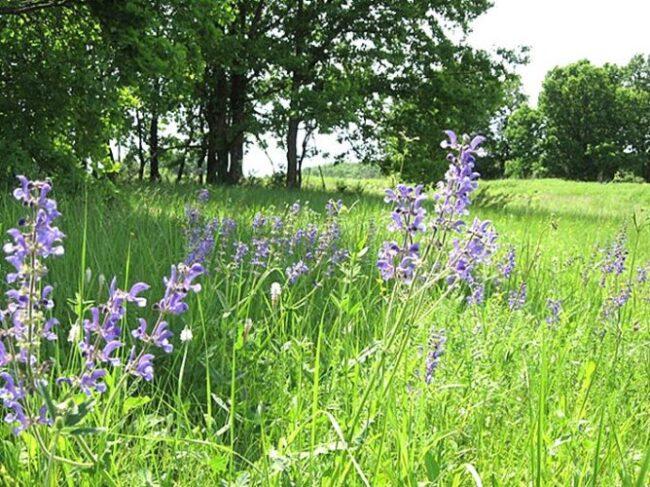
Sage blooms in summer with light purple flowers, which are collected in spike-shaped inflorescences. The flowers are very honey-bearing and attract bees, have a characteristic sharp smell, which it owes to essential oils.
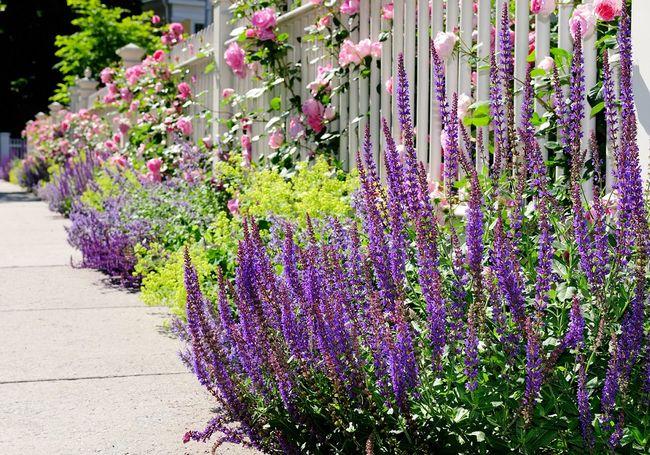
This ornamental plant is planted in flowerbeds (especially in dry and sunny places), can be grown in pots on balconies and even in apartments. It is worth knowing that the smell of sage repels aphids.
Nutritional value and medicinal properties of sage
Sage has been a valuable ingredient for centuries not only in culinary recipes but also in natural care and treatment methods. The leaves contain many valuable nutrients: vitamin K, A, C, E, magnesium, iron, calcium and fiber.
- Vitamin K is important for proper blood clotting and bone health.
- Vitamin A affects vision health and supports the immune system.
- Vitamins C and E are powerful antioxidants that protect cells from damage caused by oxidative stress.
Sage is known for its beneficial effects on the digestive system. Infusions are sometimes used to relieve stomach and intestinal problems. Essential oils can help reduce bloating, upset stomach, and support the digestive process by stimulating the secretion of gastric juices and digestive enzymes.
Please note! The plant has strong anti-inflammatory properties that can help reduce inflammation in the body. Rosemary and caffeic acids are able to suppress inflammatory processes, which is especially useful for people with chronic diseases such as rheumatoid arthritis.
May improve memory and concentration. Chemical compounds found in sage support brain function by increasing blood flow and stimulating neurological receptors.
Antiseptic and antibacterial properties help fight bacteria and germs. In traditional herbal medicine, sage infusions are used as a mouthwash to combat bacteria that cause gingivitis and oral infections.
Additional information! Sage consumption may influence hormone regulation, especially in menopausal women. Plant compounds act as phytoestrogens, which may help relieve some menopausal symptoms, such as hot flashes and sleep disturbances.
To benefit from the medicinal plant, add it to dishes, infusions or teas. However, it is worth remembering that it has a rather intense taste, so it is important to consume it in moderation. People with certain medical conditions should consult a doctor before adding large amounts of sage to their diet.
Salvia officinalis: cultivation
The plant loves heat, it should be planted in a sunny and protected place. It is not afraid of drought and heat. However, it should be provided with suitable soil, which should be light, permeable and calcareous.
Young plants require watering, older ones – only in case of prolonged drought. It can be fertilized, preferably using natural fertilizers such as compost or vermicompost. In spring (March-April), sage shoots should be cut back heavily (to a height of about 10 cm). It will produce new shoots.
Snails love the large, succulent leaves of sage and should be controlled accordingly. Otherwise, the plant is not susceptible to diseases or pests.
An adult plant can tolerate temperatures down to -26 C. In the year of planting, this frost resistance has not yet fully formed, so it is recommended to cover the sage with leaves or coniferous brushwood before the first frost.
What to plant sage with? It can be planted in flower beds. It combines well with lavender, thyme and rosemary. It also combines well with roses, both groundcover and larger varieties.
Propagation of sage
This plant is propagated by sowing, cuttings and layering. If sage grows in the same place for many years, it may begin to look worse. It is necessary to divide the root ball into several, smaller parts. It is best to do this in late summer or early spring. Since this is a perennial plant, after dividing it, you can immediately plant the seedlings in a new place.
Another way to propagate sage is cuttings from its shoots. In May-June, cut stems about 10 cm long. Dip in a rooting agent and plant in a seedling bed. As soon as the plant takes root, it can be transplanted to its final location. Sage can be sown with seeds directly into the ground in May.
When to harvest sage and how to dry it?
Leaves and young shoots are cut in May, before the plant begins to bloom. The collection can also be repeated after flowering, in August. Individual leaves are cut for current needs, especially if you need to use a fresh plant in the kitchen.

The leaves are spread out on the surface, and the shoots are tied into small bunches and hung. Sage is best collected on a sunny, dry day before midday.
How to use medicinal herb
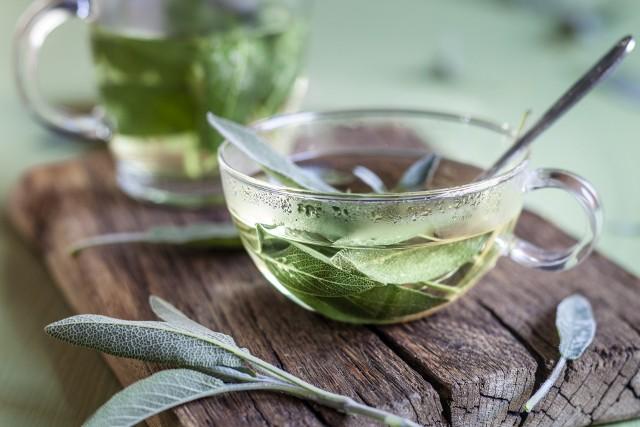
In the form of a decoction, it is ideal for the treatment of pharyngitis, gingivitis, and ulcers. To make sage tea, pour one or two teaspoons of sage flowers/leaves with a glass of boiling water and let it brew for 10 minutes. Then strain and drink in small sips. Take after meals, 20 grams per liter of water to facilitate digestion and revitalize the energy of the stomach.

After six weeks of continuous use, take a break. The effectiveness of sage decreases as a result of habituation. As a mouthwash, sage can be used as often as necessary.
Sage in cosmetics
It has a beneficial effect on both skin and hair, and is used in cosmetics designed to care for combination and oily skin. It can also be found in products against excessive scalp oiliness and hair loss. It is an additive to soaps, shampoos, masks, tonics, balms, and creams.
Helps fight fungal infections, inflammation, acne and dandruff. Narrows excessively enlarged pores and accelerates the healing of small wounds and scratches. Prevents the formation of blackheads and excessive sebum secretion. Has a cleansing and toning effect.
Natural cosmetics with sage can be easily prepared at home. Sage decoction (100 g per liter of water) externally relieves skin diseases: acne, herpes, lichen, eczema, skin itching, etc. Washing your hair with a light decoction is useful for stimulating the scalp and eliminating dandruff.
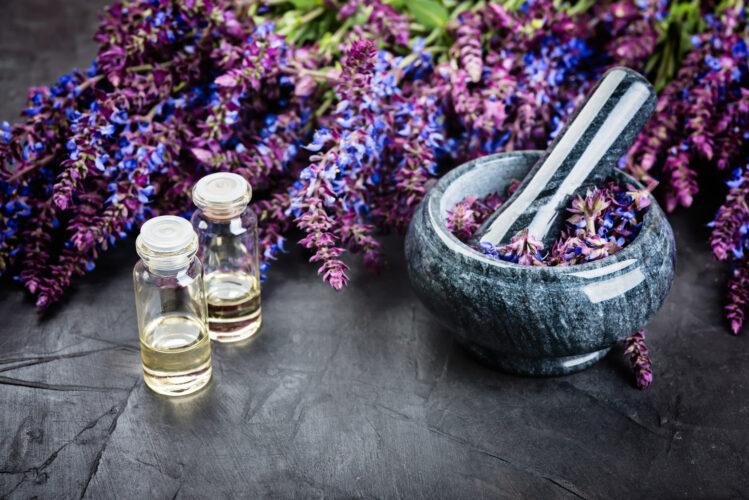
Sage oil stimulates skin cell renewal and increases blood circulation. This oil is often added to facial and body care products (deodorants and antifungal creams) due to its astringent properties. It can also be added to anti-dandruff shampoo or applied directly to the skin as an insect repellent.
Please note! Products containing clary sage oil may improve the condition of weak or brittle hair. By gently massaging clary sage oil into the scalp, blood flow to the hair follicles can be increased, which promotes hair growth and minimizes hair loss.
Sage is used as a spice in the kitchen to season fatty meat and other dishes. Young fresh leaves and flower shoots make food and drinks more aromatic and easier to digest. However, you should know that it has a rather specific taste, in large quantities it is bitter, so it is used with caution.


