

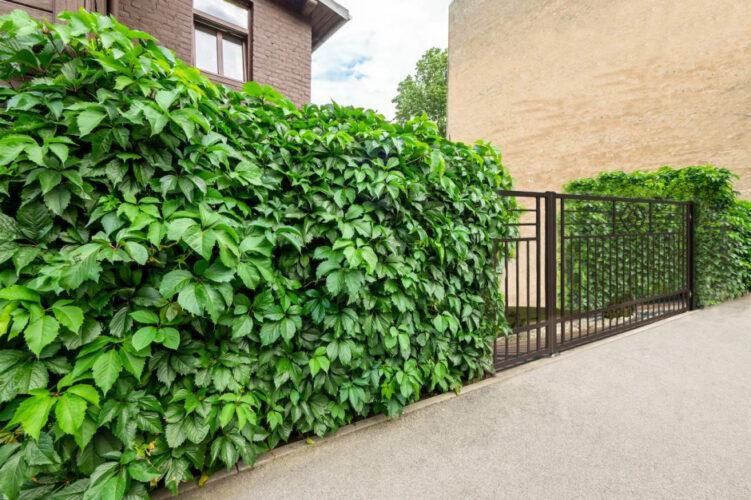
Fence – garden decoration
A private garden is usually a fenced area. The main function of fencing a garden or plot is to prevent the intrusion of unwanted guests – both people and wild animals. Garden owners often isolate the space from the outside world – they create their own private zone.
Plants in the country along the fence – an interesting idea for the garden. A living fence of properly selected plants, entwined with green or flowering vegetation, dampens noise and traps harmful gases and dust.
The fence, despite the many useful functions, also perform a decorative function. A hedge can also be formed in any way. Therefore, thanks to him, you can get an original decoration for the garden. The decorated entrance looks aesthetically pleasing and increases the prestige of the object.
What plants to plant along the fence?
Each of us has different tastes and different needs. But the choice of plants for decorating the fence depends on several different factors.
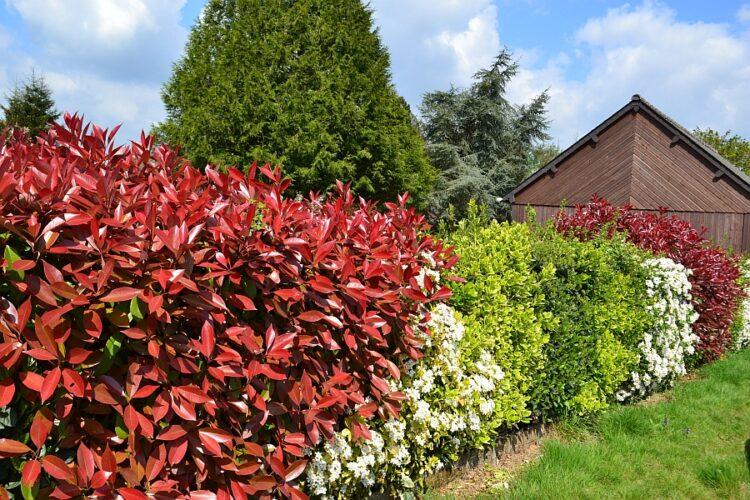
First of all, you need to consider the environmental conditions in the garden, such as the type and quality of soil and sunlight. If you do not select plants for the position, then they will grow poorly, and the plantations will not properly perform their functions.
Note! The trees near the fence should be of such size that after some time they will not damage its structure and not disturb the neighbors. Not all of them are suitable for creating hedges.
A hedge can be made from a variety of plants. Among the options, choose the one that is best suited for the site in order to get an interesting decorative effect.
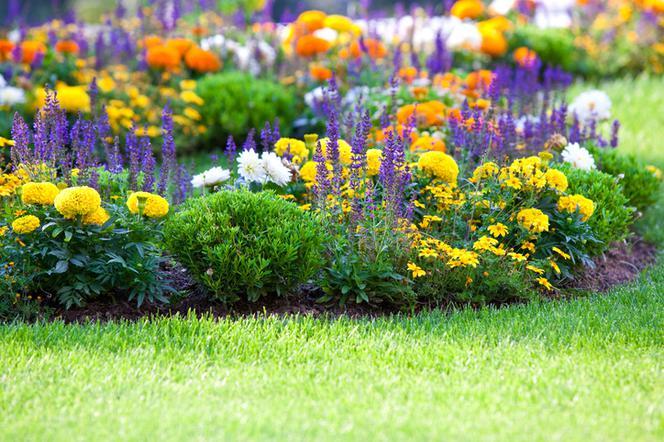
The most popular plants for hedges are conifers: arborvitae, yews and larches. They owe their popularity to their dense, columnar habit and fairly rapid growth. However, keep in mind that this is a rather hackneyed way of planting plants along the fence.
Thuja hedge is the most popular. This is an evergreen species, and they perform their decorative function throughout the year. It is a relatively resistant plant to both heat and low temperatures. They are easy to care for, grow quickly and are very decorative. They can be bought in different varieties that differ in color – from lemon yellow to dark green and emerald green. For many years, the most popular thuja variety has been Smaragd.

Columnar cypresses are commonly used plants, but they are often confused with the very similar thujas. However, cypresses, unlike arborvitae, are more difficult to grow, mainly due to their lower frost resistance.
Yew Taxus has beautiful soft and delicate needles, creates compact and very decorative hedges. The needles are intensely green all year round, and the orange-red fruits that appear on the bush are an additional decoration. All parts of the plant are poisonous, so it is better to refuse planting a yew if there are small children or pets in the house,
An interesting solution is the combination of deciduous trees with conifers, for example, maple with yews. Thanks to this, the hedge will be partially green in winter. The hawthorn is shorter than the maple and, in addition, it blooms beautifully, gives fruits that have a positive effect on health.
Note! Among the shrubs that do not bloom, boxwood is the most popular. It is a plant that lends itself well to shaping, loves shade and does not require excessive soil requirements, it stays green for the winter.
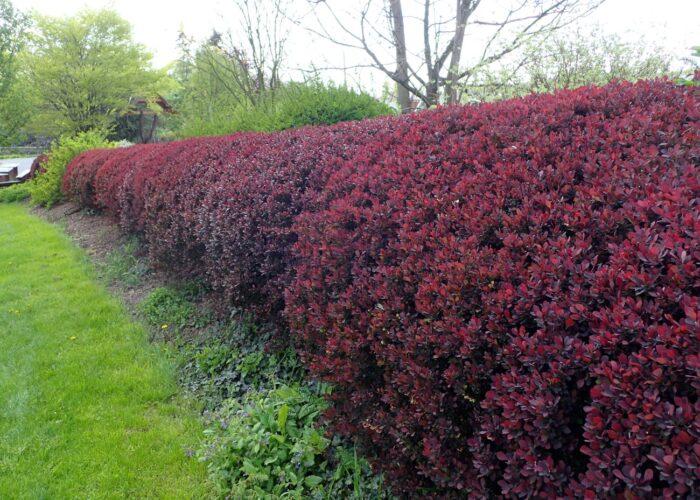
Barberry is often used as a hedge, characterized by high frost resistance. In winter, it retains dark red leaves. It tolerates pruning and shaping well.
Barberry is a thorny shrub. Its long, sharp and numerous spikes will effectively deter any intruders from property. Barberries are very decorative – depending on the variety, their leaves can be green, purple-red or yellow.
Among fruit-bearing shrubs, it is also worth choosing edible dogwood , which grows densely and thus creates a compact hedge. This type of shrub does not require special care, it also has modest soil requirements.
Privet Ligustrum is a fast growing and ornamental shrub often used for indoor hedges but also in urban landscaping. Privet has small dark green decorative leaves, and some varieties also smell beautiful during flowering. The shrub is very resistant to adverse weather conditions, easy to form.
Holly Ilex is a beautiful evergreen that can be used to create a dense, highly decorative hedge. It has a characteristic shape of leaves: shiny, sharp-toothed. Holly fruits are also decorative.
Coniferous shrubs make up a large group. Juniper is found in many varieties, among which it is easy to find something for yourself. Along the fence, you can plant Blue Arrow rocky juniper, common juniper (does not require pruning) and Chinese juniper. The advantage of junipers is that they are long-lived, moreover, they produce tasty fruits that add flavor to meat dishes.
Creepers – a dense and effective hedge
Coniferous trees for the fence are not the only solution. You can plant annual or perennial flowering vines or ornamental bushes next to the fence.
Additional Information! The best plants are shrubs and creepers as they can reach 2-3 meters in height in a short time and thus provide excellent cover.
You can opt for climbing plants: choose from annual and perennial vines, which are distinguished by great decorative qualities.
The lematis near the fence are a wonderful and very delicate decoration. Forms thin shoots, covered with delicate flowers collected in panicles. Bloom from June to October.
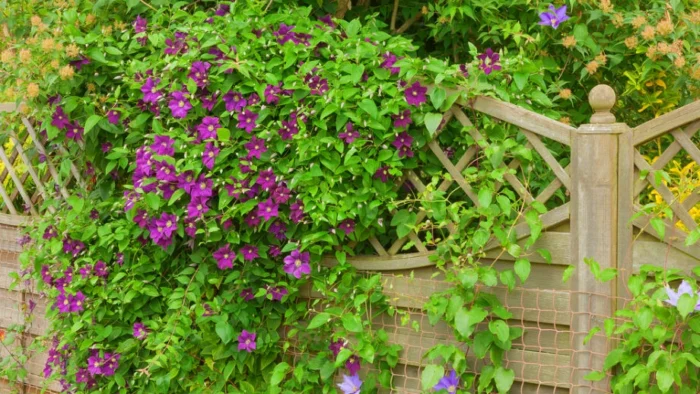
The advantage of clematis is that they grow quite quickly. In addition, they have low soil and location requirements. They can be planted even in shady parts of the garden and they will thrive.
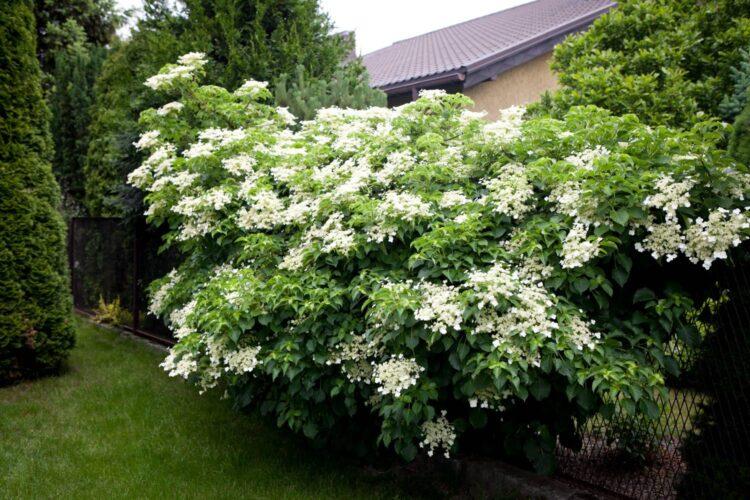
Climbing hydrangea is great for fencing. It produces stems up to 20 m long. Therefore, it can be used to cover very high fences and walls. In June, white flat inflorescences appear. Thanks to them, the hedge looks very interesting. Oval leaves delight with their orange color in autumn.
Climbing hydrangea is very resistant to low temperatures. However, in order for it to grow healthy, it needs a semi-shady position and soil with a slightly acidic pH. Watering may be required in summer, especially when it is very hot. In addition, you need to cut the shoots after flowering.
Irish ivy is a fast growing evergreen climber. This plant is perfect for camouflaging landscape imperfections while still growing fast. The leaves are dark green and shiny. Strong clinging shoots make it ideal for planting against fences and walls.
Rose hedge. Wild roses are most often used for hedges. They are easy to care for and do not require as much pruning as other species. Also does not require special care.

They will look beautiful for a very long time, because they bloom early, the flowers stay on the bushes continuously throughout the summer until autumn. In addition, they captivate with a beautiful intense aroma.
Benefits of planting next to a fence
Hedge plants, when properly cared for, show their full beauty for several seasons. They create natural barriers against wind and noise. During this time, hedge plants need to be regularly cared for and watered so that the root system develops.


