

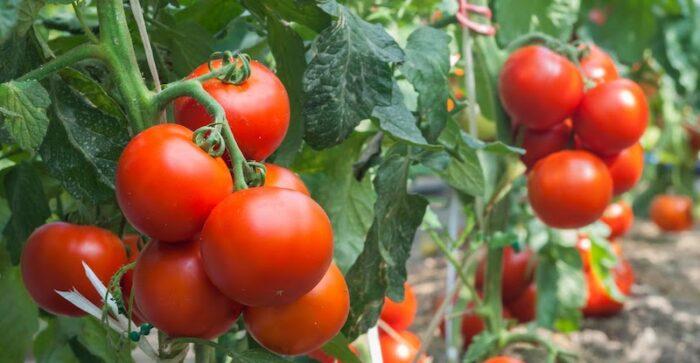
Features of diseases in tomatoes and prevention
Tomatoes should be grown in open sun with good air circulation so that the leaves dry from excess moisture. Avoid planting tomatoes in poorly drained soils or in low areas. Planting disease-resistant varieties is probably the most effective and economical method of disease control. Sometimes chemical control is needed.
They should be tied to pegs or otherwise kept upright to minimize fruit-to-soil contact. Mulching with plastic sheeting or organic matter will also prevent fruit from coming into contact with the soil. Reducing soil ingress on fruits reduces the likelihood of soil rot infection.
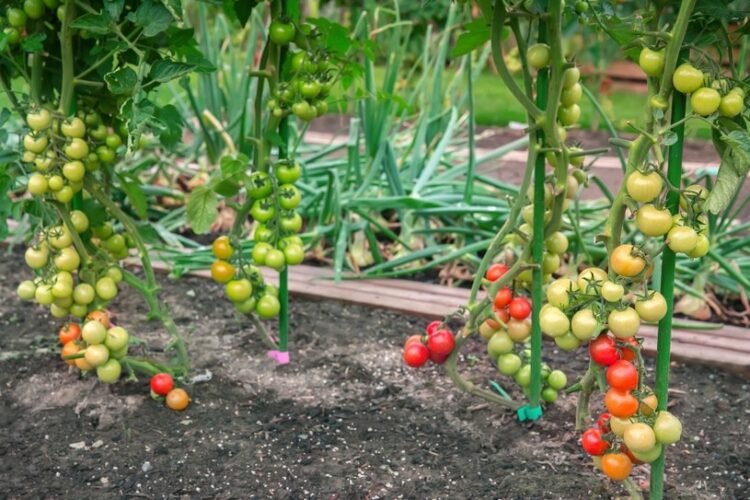
Tomatoes and related vegetables such as potatoes, peppers and eggplant should not be planted on the same land more than once every three years. Ideally, the crops that preceded the tomato should belong to the cereal family. Corn is an excellent rotation crop with tomatoes, contains a large amount of organic matter and does not promote the growth of pathogens.
A balanced use of fertilizers is also a good prevention. Even healthy and environmentally friendly fertilizers must be used in the right quantities. With an excess of nitrogen, tomatoes are extremely vulnerable to fungal diseases, as well as to the activity of various pests.
Natural remedies work only with regular use, before the onset of the disease. They will strengthen the plants only before the first symptoms of the disease appear. Natural protection methods include spraying with milk, garlic water, infusion of horsetail and nettle.
Diseases can be divided into two groups. The former include those caused by infectious microorganisms: fungi, bacteria, viruses and nematodes. These diseases are contagious and can be transmitted from plant to plant very quickly under favorable environmental conditions. All these diseases spread with high humidity.
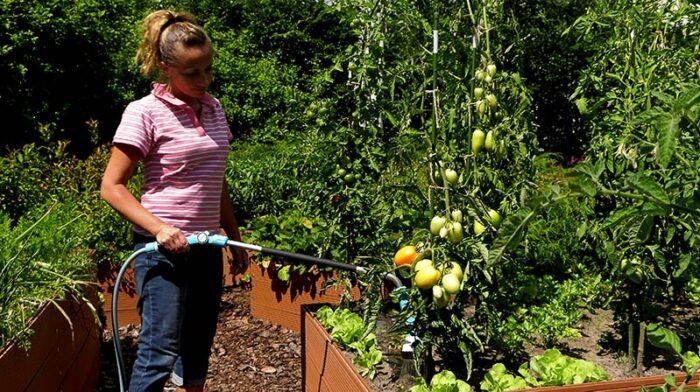
Additional Information! It is important in the garden to prevent the spread of pathogens. Proper crop rotation, reasonable watering without moistening the aerial parts of plants is a good prevention.
The second group is caused by physical or chemical factors such as adverse environmental factors, nutrient deficiencies, insects. Noncommunicable diseases cannot be transmitted from plant to plant.
Tomato diseases and their control
Tomato diseases lead to their death and large crop losses. That is why it is very important to deal with them: systematically control growing plants and quickly respond to the first alarming symptoms of tomato diseases.
Not every stain on tomato leaves is a fungus. Many of these spots may simply be a nutritional deficiency and should be checked first. Calcium deficiency, rainy or cloudy weather with high humidity, cool temperatures, excessive nitrogen, potassium or magnesium applications can also increase the chance of bud rot, especially early in the season.
- Watering from above should be avoided, using drip or furrow.
- Remove and dispose of all affected plant material.
- Prune plants to improve air circulation.
- Spraying with copper fungicide gives good control of bacterial disease.
Infection can occur through mechanical damage. Sprinkling raindrops, watering over leaves, touching wet plants can spread bacteria from diseased to healthy ones.
The most common and very dangerous tomato diseases
Bacterial diseases
Diseases of tomatoes caused by bacteria, viruses and nematodes can be severe: the yield and quality of tomatoes are reduced. As a rule, it is more difficult to deal with them than with diseases caused by fungi. The disease is more common during the rainy season.
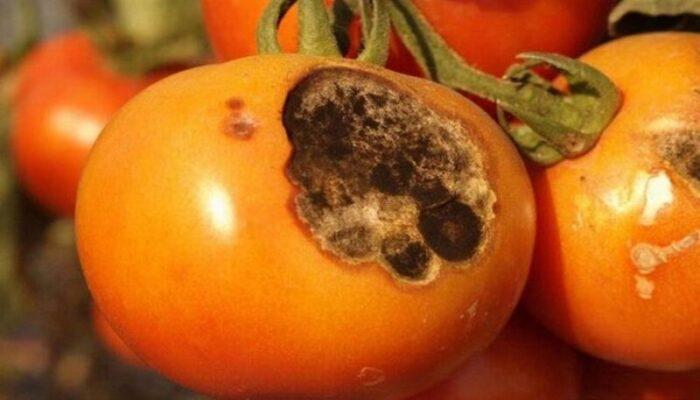
The bacteria survive the winter on infected plant debris. A bacterial stain is difficult to control once it appears. This is favored by a hot and humid climate. The spots may have a yellow halo, affecting the leaves, which dry out and fall off.
Note! Because these soil-dwelling bacteria can survive in the soil until next season, it’s worth practicing a three-year crop rotation in your vegetable garden. Avoid planting in early spring when conditions are cool and damp.
Virus diseases of tomatoes
Viruses are highly contagious, and are easily transmitted by any means, even if a small amount of juice from infected plants gets on healthy plants. The viruses that infect tomatoes are carried by aphids, so the prevention of these insects is very important.
Symptoms of the virus are a mosaic appearance and deformation of the leaves. Infection causes leaf death and damage to fruits. Young plants may wilt and die, older ones, if they survive, produce discolored fruits that do not fully ripen.
There are no chemicals to fight viruses. Immediately remove and destroy infected plants and weeds next to them. Removing weeds in the garden is the first step to reducing infestation. For better prevention, old plant residues are removed. Fight insects that carry viruses.
Note! Against viral diseases, only the fight against aphids, the destruction of infected material and the disinfection of tools and gloves used to touch diseased plants are carried out.
Tomato spotted wilt virus is spread by tiny insects called thrips. Feeding on infected plants, they spread the viruses to healthy tomato bushes.

Tomato yellow leaf curl virus is transmitted by whiteflies. This disease is extremely dangerous for the tomato crop. Symptoms are curling leaves, yellow edges. Leaf plates are smaller than usual, growth is delayed and flowers fall. If tomato plants are infected at an early stage of growth, fruits may not form.
Removing plants with initial symptoms will slow the spread of the disease. They should be destroyed immediately to prevent the spread of the whitefly.
Fungal diseases of tomato
Why do tomato stems turn black? It is likely that this is the result of a fungal disease. The most common tomato diseases are fungal. There are a number of fungal diseases, as a result of which the stem turns black in tomatoes. Healthy tomatoes turn black spots on the stems in one day. The fungus reproduces by spores that are spread by wind, water, or other mechanical influences, and thrives in soil where infected tomatoes, potatoes, or other nightshades have grown. Fungal spores remain viable in the soil for a long time, so it is important to always observe crop rotation.
Late blight of tomato, caused by the fungus Phytophthora infestans, is one of the most dangerous and widespread diseases of tomatoes in open and closed ground. This can lead to the death of entire plants, especially during long periods of cold and rainy weather.
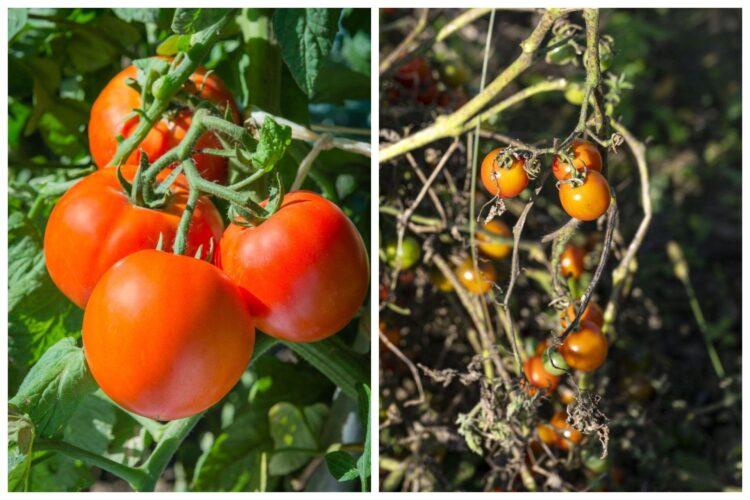
Fungicides help control the spread of this disease Ideally, it is best to plant resistant tomatoes, practice crop rotation, sanitize all equipment, and avoid overcrowding to prevent the disease from infiltrating the tomatoes.
It is also helpful to remove the lower branches and mulch the soil around the plant so that rain-sprayed spores cannot infect the plant. Also, water in the morning to give the foliage time to dry.
Their peculiarity is that they can affect absolutely any part of the tomato and are practically not treated. The fungus is a wet weather disease favored by cool nights and warm days. Leaf spots, rot and wilting lead to premature leaf fall and reduced tomato yields. As a general precaution, all diseased plants should be destroyed and removed immediately.


