


Autumn raspberries
Autumn raspberries are a relatively new group of varieties, but they have quickly gained popularity. Their unique advantage is that they bear fruit on this year’s shoots. It is worth remembering that all old varieties of summer raspberries bear fruit only on two-year-old shoots. Remontant raspberries begin to ripen somewhat later than traditional varieties, usually from mid-August.
- Caring for raspberry bushes is not difficult, and in order for them to produce a bountiful harvest, the most important care procedures include pruning the shoots.
- New shoots cause excessive thickening of the site, which can lead to a significant reduction in yield.
- Nutrients can run out very quickly if more bushes grow in the same area.
- Excessive density of shoots will mean that the raspberries will have less access to the sun, which may make them less tasty.
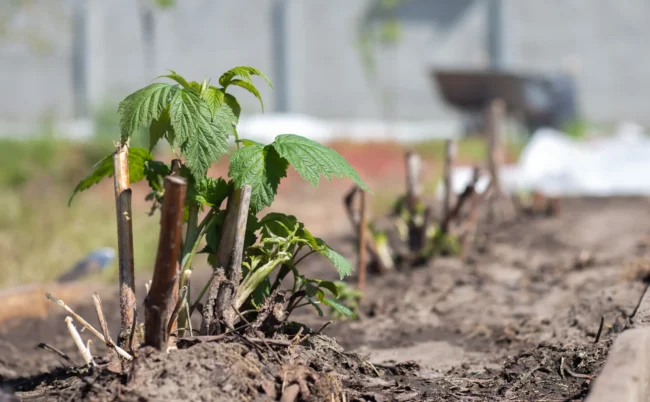
Regular removal of them protects against the development of such a serious disease as shoot death. This is a fungal disease, the appearance of which is promoted by excessive density of stems. The fight against it is not easy and involves both various agricultural treatments and fungicides. However, prevention is always better than cure, so pruning raspberries is necessary.
Remontant raspberry: pruning
Raspberries are divided into two groups: summer and autumn. Summer raspberries bear fruit on two-year-old shoots, and autumn raspberries bear fruit on one-year-old shoots.
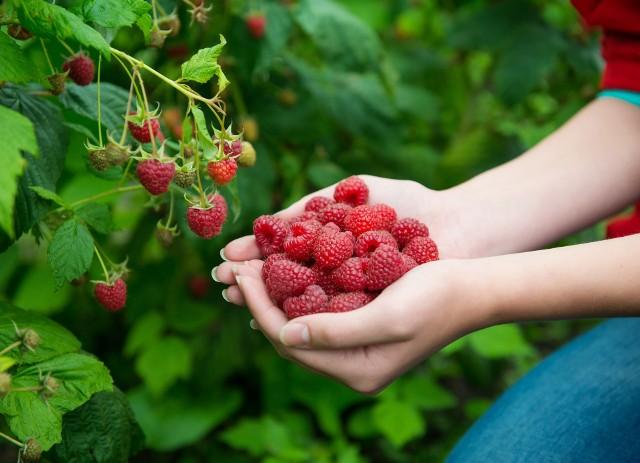
This means that during one season, autumn raspberries produce young shoots on which they bloom in the summer and then bear fruit. Next season the whole cycle repeats.
Note! Repeated raspberries are characterized by fruiting in several waves. It can bear fruit both on last year’s shoots and on new shoots. Late berries on this year’s raspberries are at risk of winter because they ripen too late.
This usually happens if the pruning was partial or not done at all. Old shoots begin to actively feed in the spring, while young stems do not receive the required dose of nutrients. As a result, fruiting on new stems is delayed as late as possible, and very often the berries ripen already with the onset of frost, which significantly affects their quality.
The way out of this situation is obvious and is practiced by experienced gardeners. They completely prune the bushes after the berries ripen, focusing solely on the autumn harvest. Thus, the fruits on new shoots next year are formed much earlier and, as practice shows, larger. In addition, due to the absence of nutritional deficiencies, raspberries are much more cold-resistant.
How to prune raspberries in late autumn?
Autumn raspberry varieties bear fruit even until November. The end of the autumn raspberry growing season is the right time to carry out the main pruning of the bushes. They are pruned after frost.

In order for raspberries to bloom and bear fruit in the next season, it is necessary to prune the bushes after the autumn fruit harvest. If there is no pruning during the period of strong growth, the plant will give its energy to old shoots, on which the number of fruits will be smaller.
If you trim only the upper parts of the shoots, leaving the lower parts intact, which allows you to harvest an early harvest. When using this type of pruning, the first fruits will appear on partially pruned shoots as early as July. However, on newly grown shoots, fruiting will begin in a month.
Annual shoots are shortened below the fruiting site. Thanks to this, you can already enjoy berries on two-year-old shoots at the beginning of summer. The fruits will appear at the base of the shoot. After fruiting is completed, the shoots are cut flush to the ground.
Additional Information ! To get larger fruits on annual shoots next season, you should trim the shoots close to the ground after picking the fruit. Weaker and more numerous shoots are also removed to provide the healthiest ones with good access to light. This pruning will stimulate the plants to produce a large number of new shoots. and significantly reduce the number of diseases and pests inhabiting old shoots.
During the spring growing season, you can expect a large number of young shoots. It is worth thinning them out at the very beginning, leaving about 10 shoots with the strongest growth. This allows the shoots to be illuminated, making them stronger and the fruits larger.


