


Appearance of pepper
Peppers can grow from 25-125 cm in height. It has an erect shape, the stem is highly branched, straight, woody at the base. The leaves are lanceolate or ovate, arranged alternately on the stem.
Annual peppers come in two forms: sweet and hot peppers, and there are many varieties. The fruit of pepper is a berry, depending on the variety they can be sweet and more or less spicy (the compound capsaicin is responsible for the spicy taste of pepper). The fruits are berries that are hollow inside (have 2-4 chambers) and can be of different sizes and shapes depending on the variety.

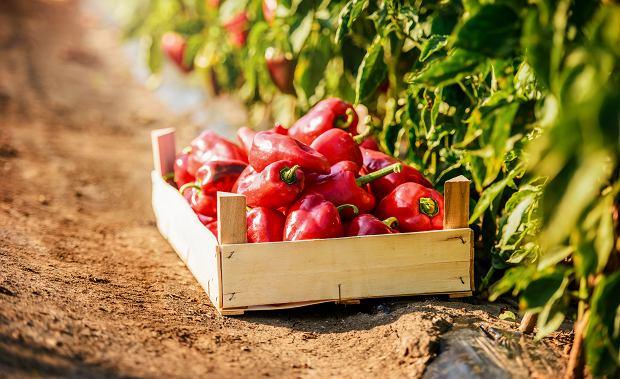
They start out green, then turn yellow, orange or red. Ripe peppers are more flavorful and have greater nutritional value than green peppers.
The benefits of bell pepper
Peppers are a good source of nutritional value. Moreover, as one of the few vegetables, pepper retains its properties when stewed and fried. Pepper fruits are rich in fiber, vitamin C (high content), provitamins A (carotene) and E, as well as mineral salts of magnesium and iron. It is used as an ingredient in dishes and as a spicy seasoning. Fresh peppers contain more vitamin C than lemons.
Note! Ground hot pepper is not only a popular spice that improves digestion and stimulates appetite, but also a remedy for headaches, which has been used in folk medicine for many years. In terms of vitamin C content, pepper has no equal to other vegetable plants.
Planting pepper
This is an extremely heat-loving vegetable that loves the sun’s rays. The first thing you should pay attention to when starting to grow peppers is planting time. It is best to plant peppers indoors in boxes or seedling pots. There they will be able to develop until spring, when it is transplanted into the garden. This will protect the plants from cold, wet soil, in which they may stop growing or grow excessively slowly.
Pepper seeds germinate for a long time and unevenly, up to 20 days. You can speed up the appearance of pepper seeds if you soak them for two days in water at a temperature of 25-30 degrees Celsius before sowing. Soaking pepper seeds speeds up germination by about 2-3 days.
The final planting of peppers occurs in the second half of May, when frosts have passed and the days become warmer. The soil should be fertilized with organic fertilizers, and the site should be in a warm place.

After transplanting seedlings into the garden in the spring, it is worth providing them with protection from wind or possible cold and laying protective mulch
Planting depth and distance
Pepper yields best in soils with good structure, fertile, airy and rich in humus, with a pH of 6.5-7.0. The distances that should be maintained between individual seedlings are approximately 40-50 cm, and between rows at least 60 cm, so that they have enough space during growth.
Pepper care
Peppers grow much slower than tomatoes. They grow best in well-drained, fertile soil. It should be kept moist throughout the entire maintenance period, as dry soil will not allow sufficient growth.
Additional Information! Due to lack of water, the fruits are small and not very tasty. This species has a high water requirement, especially during flowering and fruit set, so peppers should be watered regularly. .

When growing peppers, fertilizers that provide nitrogen, calcium and magnesium are very important. It is better to apply fertilizer during transplantation; the minerals from the fertilizer will penetrate deeper. The land where peppers grow should be fertilized primarily with compost, which speeds up growth and improves the quality of the crop.
The soil in which peppers grow should be loosened regularly, as hard soil can interfere with the harvest. Reacts well to mulching. Other important maintenance procedures include weeding, irrigation, and protection from diseases and pests.
The most common reason for receiving a small number of fruits, despite abundant flowering, is a lack of pollination. The plants are wind-pollinated, but at high air humidity the pollen sticks together and does not come off the anthers. Even the recommended shaking will not help, but you need to take a brush and manually transfer the pollen to the flowers.
If the air humidity drops below 60% and the air temperature rises above 25°C, the fruit buds will fall off. In this case, the soil must be thoroughly moistened every morning.
When growing peppers, proper crop rotation is important; for example, they cannot be grown after tomatoes.
Pests and diseases of pepper
The most dangerous diseases include gray and dry rot of fruit tips, and among the pests you need to beware of moths, aphids and thrips.
Picking peppers
Peppers can be harvested at different stages of development without losing their flavor. Typically, green peppers are harvested when they are fully ripe and about 10cm in size.


