What properties do tea grounds have?
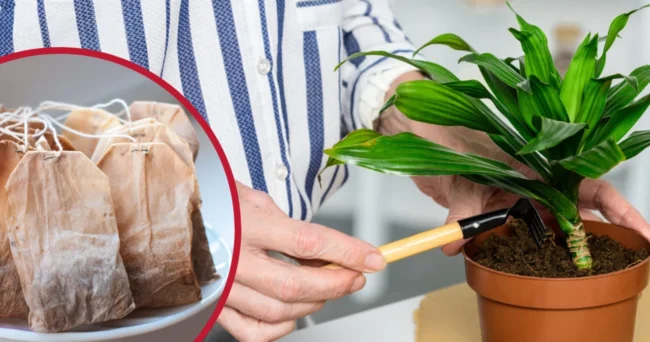
Used tea is already a ready-made fertilizer, and all you need to do is cover the plant with it, you can also place it on the bottom of the pot, which will significantly improve the soil moisture. Used tea leaves can also be composted. They speed up the process of decomposition and humus formation, enrich it with nitrogen.
How does tea affect plants?
- Used tea as a fertilizer promotes the formation of humus in the substrate, improves its fertility and structure (the substrate becomes more permeable, loose, better aerated and more absorbent).
- Protect against excessive moisture loss and rapid drying.
- They can also increase plant resistance to disease and, thanks to essential oils, repel some soil pests.
What does tea contain? Tea contains many useful substances. These include tannins, flavonoids, saponins, amino acids and enzymes. These useful substances are present both in the tea infusion itself and in the leaves left after brewing. After decomposition in the soil by fungi and bacteria into mineral components, they become available to plants.
Please note! Tea grounds contain organic acids, nitrogen, calcium, phosphorus, fluorine and magnesium. All of these ingredients are found in commercial garden plant fertilizers. Potassium helps plants develop better, have greener leaves, bloom more abundantly and bear fruit more easily. This element makes them more resistant to drought and low temperatures.
The composition is dominated by theine, which has a slight acidifying effect. However, you should not worry about overdoing it, since its effect is balanced by calcium ions, which are also abundant in the grounds.
In practice, there are no restrictions on its use, but it is worth paying attention to the plant’s preferences. The highest concentration of nutrients is found in white and green tea. This is due to the fact that they are the least processed products.
Placing them next to crops will allow them to release useful substances, and thus support the plants. Tea is rich in substances that effectively increase the immunity of plants. One of the biggest advantages of using tea fertilizer is that plants become less susceptible to diseases, more resistant to fungi and less susceptible to the influence of weather conditions.
They start to look better, their leaves become greener and much more durable, they grow faster and often produce new branches and leaves. In addition, the essential oils contained in the tea repel pests.
How to use tea as fertilizer?
Black, white and green tea leaves are safe to use in the garden. They can be used as fertilizer, sprayed or composted. They should be applied 1-2 times a week. It is best to mix them with the top layer of the substrate so that they naturally decompose and turn into humus.
Additional information! It is better not to use sweetened tea leaves in the garden. Sugar causes a tendency to fungal diseases, which are very dangerous for plants. Artificially flavored teas are also not suitable for use in the garden. They contain chemicals that can harm plants.
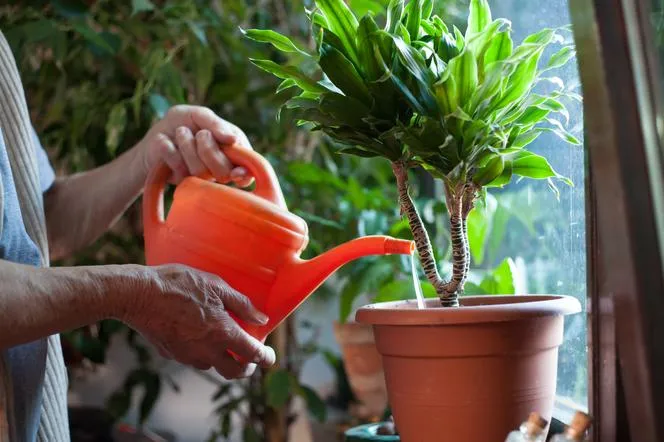
You can even use tea leaves in bags. The condition is that they must be made of natural materials – paper or cotton. These bags can be placed under the plant. Then, each time you water, the water will release nutrients from them.
Fighting aphids
Tea is also great as an aphid spray. It contains essential oils that repel pests. Black tea, which contains caffeine, is better for spraying. This ingredient acts as a neurotoxin on aphids, killing them.
If your potted or garden plants are attacked by aphids, you can get rid of them by preparing a solution of black tea. Making a spray from tea leaves is very simple:
- pour two tablespoons of tea leaves into a liter of hot water;
- let it brew under the lid for 15–20 minutes, strain and cool the infusion;
- Pour the product into a spray bottle and spray the plant.
Repeating the treatment with organic aphid control once a day for three days will get rid of the insects. This is a particularly useful method for controlling aphids on vegetables and fruits, where we definitely do not want to use chemical insecticides.
Black tea will also help get rid of midges. Pour the cooled infusion of black tea into a spray bottle and regularly spray the leaves of plants affected by pests, and they will disappear very quickly.
Another option for a natural spray against aphids is an infusion of basil leaves. This “tea” is effective in combating spider mites and whiteflies.
Which plants should be fertilized with tea leaves?
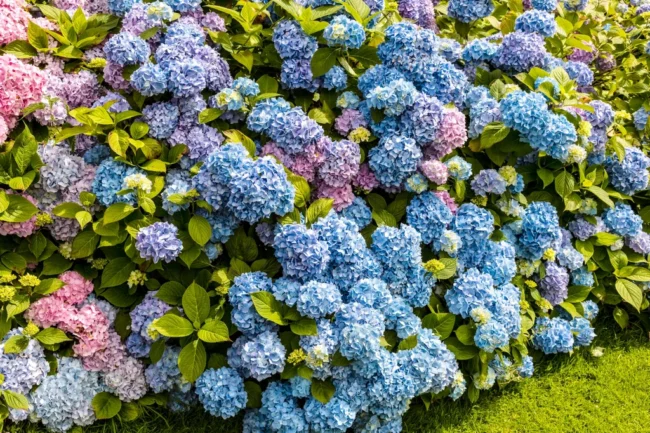
Tea infusions provide plants with valuable nutrients, including potassium, phosphorus, and calcium. Tea grounds are great for fertilizing plants that like slightly acidic, humus-rich, permeable, and moist soil. These include ferns, hydrangeas, roses, and azaleas.
Tea grounds are not suitable for fertilizing cacti and succulents, as they are not adapted to moist and humus soil, but prefer airy, light and moderately rich in nutrients and organic matter soil.