


What is lemon balm?
Melissa lemon from the mint family is a perennial plant that has long been known for its soothing properties. Its initial occurrence is associated with the Mediterranean countries, and now it is distributed throughout the world.
The properties of lemon balm are due to the presence of useful active ingredients. A huge amount of them is found mainly in the leaves, but sometimes the leafy parts of the stem are also used.
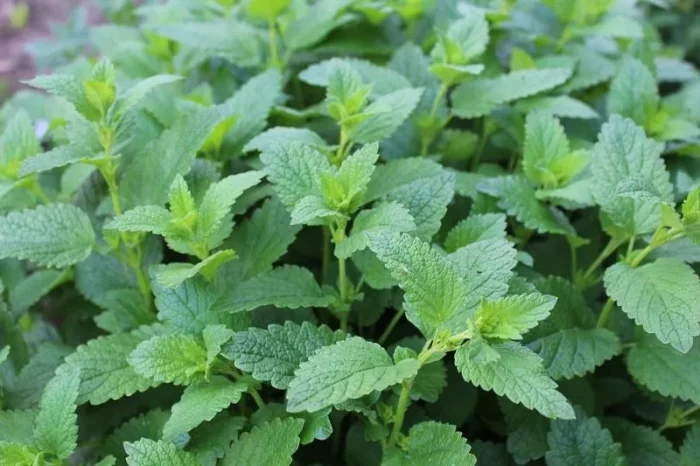
The richness of active ingredients determines the universal properties of lemon balm. Valuable substances of this plant:
- essential oils;
- phenolic acids;
- flavonoids;
- Vitamin C;
- resins.
Lemon balm is characterized by a tall stem, reaching even several tens of centimeters, which is highly branched and covered with fine hairs. Its distinguishing feature are leaves with serrated edges (similar to nettle leaves).
Melissa: its beneficial properties
It has very rich healing properties. Its positive effect on the human body has been known for a long time.
Melissa officinalis raw material is highly safe to use, making it an ideal replacement for synthetic products. Lemon Balm: A wealth of valuable ingredients:
- calms the nerves;
- helps relieve inflammation;
- counteracts free radicals;
- helps with digestive problems;
- with trauma and swelling.
Currently, lemon balm is used mainly for its sedative properties. It is mainly associated with calming properties: it allows you to relieve anxiety, overexcitation, stress and irritability.

Research shows that lemon balm makes it easier to fall asleep, helps calm nerves, and can act effectively as an anxiety and stress reliever. The sedative properties make the tea ideal for sleep problems. Melissa is also recommended to improve memory and concentration.
Lemon balm leaves, which are medicinal raw materials, are used not only for sleep and sedation. Another common use is to help with digestive problems as well as nausea during pregnancy.
Melissa supports the process of digestion, helps reduce flatulence and increases appetite, thanks to the presence of substances contained in the essential oil. Helps to relax the smooth muscles of the intestines and supports the secretion of gastric juice and bile.
Melissa is rich in antioxidants. Flavonoids and vitamin C contained in lemon balm extract have antioxidant properties. They help counteract the activity of free radicals that accelerate aging and cause inflammation.
Lemon balm is a source of phenolic acids that help relieve inflammation. It is recommended to do compresses after insect bites.
Compresses of fresh lemon balm leaves provide support for injuries or swelling. It is enough to apply crushed leaves to the skin and repeat this action several times a day.
Regular consumption of lemon balm tea lowers blood cholesterol levels, which helps prevent the occurrence of cardiovascular diseases.
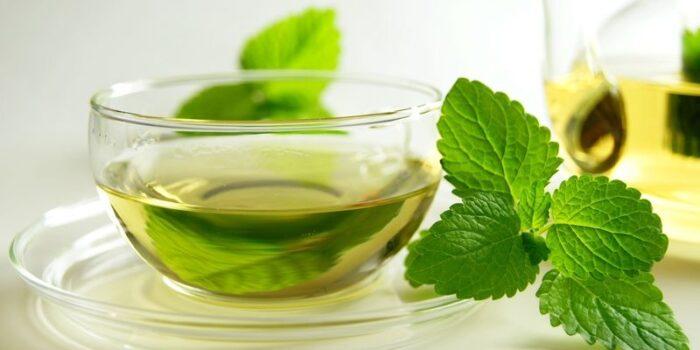
The substances contained in lemon balm inhibit the processes of lipid oxidation in the liver, preventing fatty liver and related ailments.
Lemon balm oil has strong antibacterial and antifungal properties. It can be used as a compress for herpes, fungal infections, and even insect bites!
How to use Melissa
The most popular form of using lemon balm is as a dried herb, available in pharmacies as instant teas for brewing.
How to prepare an infusion? Pour 1 teaspoon of dry leaves into a glass and pour boiling water over it. Brewing should take place under the lid for no longer than 15 minutes.
Note! It is worth remembering that lemon balm has a diuretic effect, so it is best to drink the infusion at least two hours before bedtime.
Its leaves are an excellent addition to various types of dishes and desserts.
Application in cosmetology
Melissa lemon has also found versatile applications in cosmetology. It is used as an ingredient in pastes and mouthwashes. Also used in hair care. Thanks to its properties, it helps to treat dandruff and oily hair.
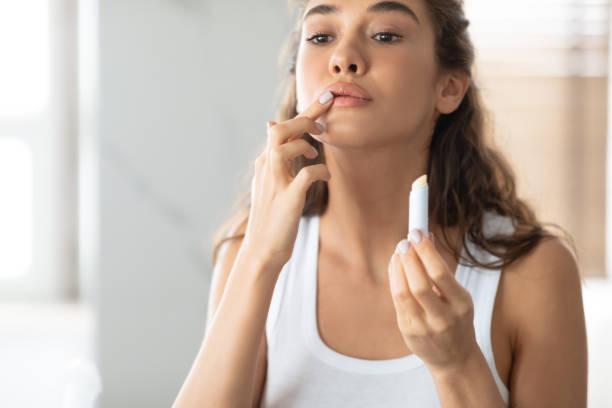
Additional Information! Works well for dry and chapped lips. The properties of lemon balm will help with dry epidermis, so there are many lipsticks and moisturizers for the face on the market.
Lemon balm can be used for massages or relaxing baths. Mix 2-3 drops of lemon balm oil with a tablespoon of olive oil and gently massage into the skin. A few drops of oil in the bathroom will help you quickly relax.
Lemon balm is a source of rosmarinic acid, which has anti-inflammatory and antiseptic properties. Thanks to this, lemon balm is a common ingredient in cosmetics against acne and wrinkles. Cosmetics with lemon balm for skin with acne disinfects and soothes the skin, reduces the secretion of sebum.
Lemon melissa: application in the kitchen
It is widely used in the food industry due to its taste qualities. The use of this herb in the kitchen will give a specific, refreshing aroma to drinks and dishes. Its citrus aroma will enrich the tinctures, which are not only delicious, but also soothing.
The citrus taste of lemon balm goes well with almost all fruits and berries. Melissa can be added to make cocktails, smoothies, fruit salads, sherbets. You can make fruit jam with the addition of lemon balm, adding it at the very end of cooking so that it does not lose its aroma.
Melissa lemon: contraindications
Like any useful medicine, lemon balm is not without side effects. Among the main contraindications is sensitivity to the active components contained in the plant. Failure to follow the recommendations may lead to side effects, for example, in the form of respiratory failure, swelling, redness of the skin. Melissa applied directly to the skin can cause irritation. However, lemon balm side effects are very rare and not life-threatening.
Are Melissa and mint the same plant or not?
The difference between mint and lemon balm is not always known to gardeners, which is why many people confuse these aromatic herbs. They have a similar appearance and flavor, which creates confusion.
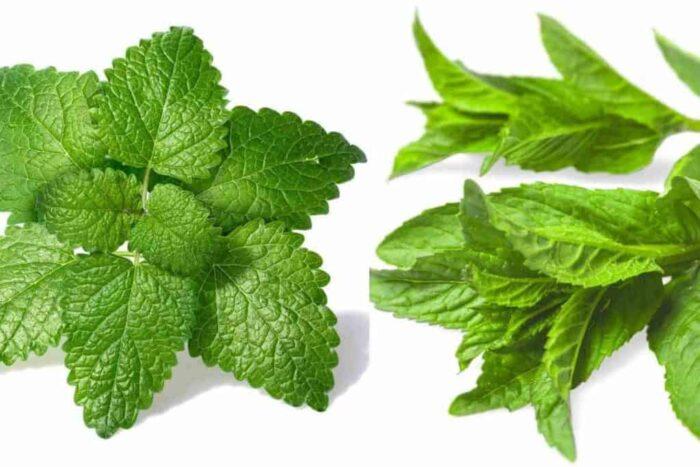
Melissa and mint have significant differences, so it’s safe to say that they are different plants, although mint is often mistaken for lemon balm. The chemical composition of lemon balm is very similar to that of mint.
How to distinguish mint and lemon balm in appearance?
Some people don’t even know how to tell them apart. But despite the similarity in some parameters, it is worth noting that in most characteristics they have a difference.
Perhaps the most significant is the smell – the first culture smells very sharp, and the second is much milder. If you look closely at the bushes, you can see that the difference is also present in their appearance.
Visually, the difference between them is determined by the leaf plates, which are green in lemon balm, and grayish in mint with pubescence.


