


Digestive problems
When we want to help ourselves, we should take a closer look at our diet, lifestyle, and use natural methods to improve the functioning of our digestive system. The greatest influence on the proper course of the digestive process is exerted by:
- properly balanced diet;
- way of eating: do not drink food, chew thoroughly, eat slowly and without swallowing air;
- physical exercise speeds up metabolism.
Note! A proven home remedy for improving digestion is to drink a glass of warm water with lemon (or add honey) in the morning. This composition cleanses the body of toxins, speeds up metabolism and adds energy. Black tea also has a positive effect on the digestive system: it increases the secretion of gastric juice and has an antibacterial effect.
The most common cause of indigestion is the consumption of processed foods, fatty and difficult-to-digest foods rich in simple sugars. Eating too much and eating under stress also negatively impacts the digestive system, which can lead to serious problems with the stomach, duodenum, or liver.

Proper digestion is a process that plays a big part in your daily functioning and well-being, so it’s worth taking advantage of nature and learning about home remedies and herbs to improve your digestion. In pharmacies and even in the kitchen you can find many remedies that will carefully help us avoid indigestion, and also bring quick relief in case of illness.
How to improve digestion?
Digestive problems can occur at any age. People who often suffer from stomach problems should start by changing their diet.
Eat regularly in small portions, but more often, at regular intervals (optimally every 3-4 hours). The body will be able to digest smaller portions of food more easily, and it will also develop metabolic memory – the digestive system releases more digestive enzymes at certain times. Chew thoroughly. Take time to eat without rushing. The better the food is chewed and crushed, the easier it is to digest.
Try to drink only after you finish eating. Drink at least 2 liters of healthy fluids every day, including still water, herbal teas, fresh fruit and vegetable juices, healthy soups, and smoothies. Try to drink in small portions, then the liquid will be better absorbed by the body. Herbs not only moisturize the body, but also improve digestive processes.
Fiber-rich foods play a very important role in the process of moving food contents through the intestines. Stimulates peristalsis and promotes the removal of undigested residues from the intestines.
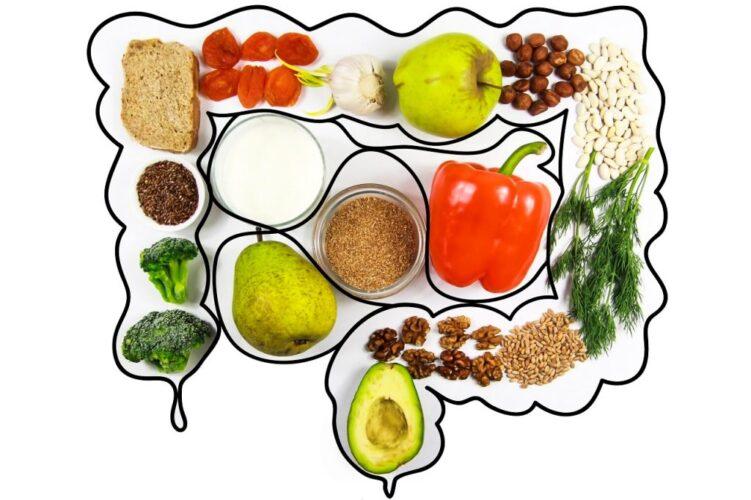
High fiber foods help prevent constipation and bloating. Rich sources of fiber include vegetables, peeled fruits, whole grains, and oatmeal.
Note! Include probiotics in your daily diet. These are products (for example, natural yogurt, buttermilk, kefir, pickles) that have a beneficial effect on the intestinal flora. They improve digestion and absorption of nutrients, but also strengthen the immune system by suppressing the growth of pathogenic bacteria in the intestines.
Movement is good for digestion. Almost every physical activity has a positive effect on metabolism. When you feel full, try eating less for a few days or cleanse your body of excess food.
Herbs for digestion and metabolism
Herbal teas are a natural and healthy way to improve digestion and metabolic processes in the body. Taking herbs for good digestion can greatly improve the quality of life for people who struggle with this problem. Many popular and readily available herbs improve digestion and metabolism and support stomach function. They fight constipation, flatulence, heaviness and intestinal spasms.

Some digestive herbs are powerful and should be used with caution. Proper dosing will have a positive effect on the proper functioning of the entire body. Commonly used and most effective herbs:
- peppermint leaf increases the amount of gastric juice, facilitates the absorption of food, and relaxes;
- fennel fruits stimulate intestinal motility and have carminative and diuretic effects;
- a basket of chamomile is an anti-inflammatory, antispasmodic, enhances the secretion of bile, relieves flatulence;
- caraway seeds stimulate the secretion of digestive juices and have a carminative effect; recommended for intestinal colic;
- St. John’s wort relaxes, relieves heartburn and flatulence;
- sage leaf eliminates the feeling of fullness, prevents flatulence, and has antispasmodic properties;
- Rosemary is a choleretic, carminative and antispasmodic.
- lemon balm leaf regulates the functioning of the stomach, stimulates digestion processes;
- aloe – has a laxative effect, stimulates the secretion of bile;
- Milk thistle regenerates and has a positive effect on the liver, supports bile production and improves digestion.
When used correctly, these plants support digestion and can eliminate many unpleasant and painful ailments. It is worth remembering that herbs for better digestion are sold in pharmacies and in tablet form; they can be used in the form of infusions or oils.
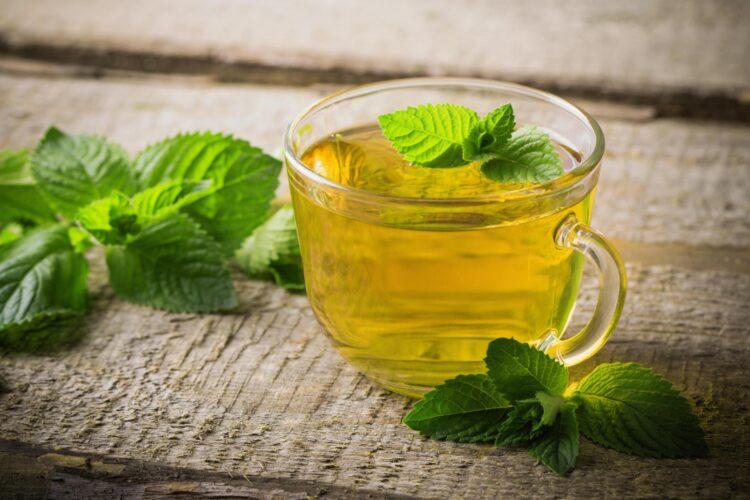
Peppermint herbal tea regulates the secretion of gastric juice, stimulates the production and secretion of bile, improves intestinal motility, and has a carminative effect. The valuable properties of mint are associated with the presence of menthol, which is found mainly in the leaves and, to a lesser extent, in the stems.
Common dandelion has a large amount of health benefits. Inulin, contained in the milk juice of this plant, accelerates digestion processes and promotes the development of natural bacterial intestinal flora. This digestive herb detoxifies the liver, supports kidney function, eliminates swelling, and further reduces blood sugar levels. In addition, it is effective in prolonging the feeling of fullness, which helps in weight management and weight loss.
Fennel improves digestion, stimulates the secretion of gastric juice and increases appetite. It is ideal for relieving indigestion and also has diuretic properties. This plant also contains a large amount of antioxidant compounds, i.e. slowing down the aging process of body cells. It is most often consumed in the form of herbal tea.

Milk thistle. The most important pharmacological effect is its beneficial effect on the liver. In addition, it regulates the digestion process, increases the secretion of digestive juices and improves appetite. This activity may be due to both silymarin and bitter compounds found in the plant, which stimulate the digestive system.
St. John’s wort is often used for diseases of the biliary tract and stomach, lack of appetite, abdominal pain, flatulence and diarrhea. It relaxes the smooth muscles in the digestive tract.

Melissa has a relaxing effect and regulates the functioning of the digestive system, increases the secretion of gastric juice.
Chamomile is one of the safest herbs for digestion, and what’s more, it rarely causes allergic reactions. It has a relaxing effect on the entire body, including the stomach. Those that have a beneficial effect on the digestive system include, for example, flavonoids and coumarins, which relax the smooth muscles of the intestines.
Using Seasonings to Improve Digestion
Abdominal pain, stomach problems, heartburn, problems with bowel movements are often associated with the way we eat daily. Currently, our diet is based on highly processed foods, excessive amounts of sugar and alcohol. Also, a lifestyle dominated by stress, lack of time for regular meals and too little sleep is not conducive to our digestive system.
Note! Did you know that adding spices to food can support your digestive system? They are tasty, aromatic, add flavor to our dishes, and also have health benefits.
Many of them support the proper functioning of the liver and promote better secretion of bile, which is necessary for the proper digestion of fats, others support the pancreas and stimulate the secretion of its enzymes, which are necessary for the effective functioning of the digestive system.

Coriander has carminative and antispasmodic properties, helps relieve intestinal spasms that can lead to diarrhea, and helps treat indigestion. Recommended for the relief of symptoms associated with irritable bowel syndrome.
Cardamom is a plant of the ginger family, improves digestion, has a carminative effect and helps relieve spasms of the smooth muscles of the abdomen. In addition, cardamom stimulates appetite, helps relieve nausea and indigestion, and protects against food poisoning due to its properties that reduce the number of “unnecessary” bacteria in the digestive system.
Turmeric supports digestion by protecting the digestive tract. Research confirms that it helps relieve heartburn, helps treat stomach pain (due to its anti-inflammatory and antibacterial properties), and also helps reduce flatulence.
Cumin seeds help regulate digestive processes, help eliminate flatulence, colic and constipation. Cumin has diuretic, biliary, carminative, antispasmodic properties and is an excellent source of antioxidants.
Fenugreek seeds help improve digestion. Due to their high dietary fiber content, they stimulate intestinal motility and reduce constipation, and also help treat symptoms of gastric ulcers. In addition, fenugreek has a protective effect on the liver, helps treat parasitic diseases of the digestive system and helps reduce excess fatty tissue.
Cinnamon promotes the proper functioning of the stomach and digestive system, and also improves metabolism. In addition, it helps regulate blood sugar levels.
Flaxseed can also be a remedy for constipation. Simply soak the flax seeds in warm water and leave for at least 1 hour, then drink the mixture. When exposed to water, flax seeds swell and become coated with a gel, which allows them to move food contents into the large intestine. Regular consumption of flaxseed jelly facilitates bowel movements and affects its regularity.
Herbs for Digesting Fat
The high fat content of the dishes makes them a big problem for the digestive system. Difficult-to-digest fats put a strain on not only the intestines, but also the liver. That’s why it’s important to season your dishes with thyme and rosemary, which stimulate the gallbladder and aid digestion.
Artichokes should be added to heavy dishes. They contain cynarine, which reduces the level of bad cholesterol in the blood and improves liver function.

It is extremely important to avoid drinking alcohol when eating fatty foods, as this puts additional stress on the liver.
Herbs that support digestion are most often taken as infusions from individual plants or as blends, which can also improve other areas of our body’s functioning. Cleansing and regulating herbal therapy can be used for a maximum of one month. The infusion should be used regularly and in moderation. Herbs that support digestion can never replace a properly balanced diet and a healthy lifestyle. Before starting, consult your doctor to find out if there are any contraindications and adjust the dosage.


