

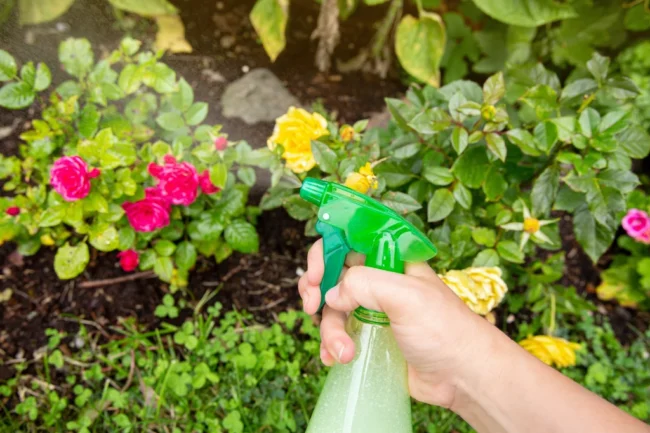
Is yeast feeding effective?
Yeast has a wide range of applications due to its effectiveness and ease of preparation, and it possesses numerous beneficial properties. Can yeast spraying replace conventional chemical crop protection products?
It’s a natural growth stimulant rich in proteins, amino acids, B vitamins, and microelements. When used correctly, yeast solutions activate root development, stimulate bud formation, and strengthen plant immunity. It’s a natural way to boost plant immunity and enhance their biological activity.
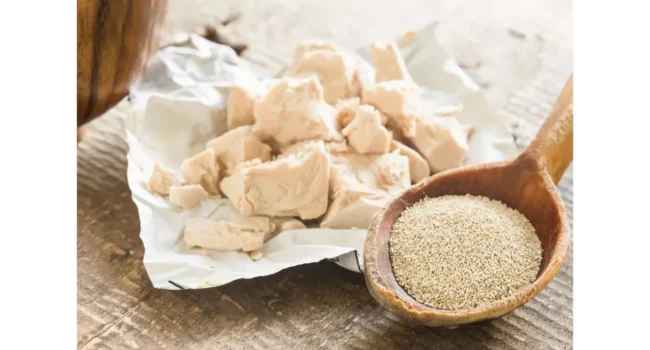
The rich blend of B vitamins, magnesium, and potassium found in yeast protects against diseases and pests and promotes vigorous growth in various plant species. It creates a natural barrier against fungal infections, attacks by certain pests, and soil microorganisms that attack plant roots.
Please note! Yeast contains microorganisms that are destructive to many types of fungi. Therefore, spraying plants with a yeast solution will help protect against fungi. Spraying creates a natural barrier for plants and protects them from fungal diseases.
How to prepare yeast solution?
Yeast spray is a natural plant protection product you can make at home. It’s easy to prepare, environmentally friendly, and its regular use can help improve the health of your plants.
To prepare this recipe, you’ll need baker’s yeast, which is readily available at any grocery store. This recipe can be made using either fresh or dry yeast.
The ingredients required for its preparation are: 100 grams of baker’s yeast (fresh or dry), 1 liter of warm water, and 1 tablespoon of sugar. Dissolve the yeast in water, add sugar, and let sit for 2-3 hours to activate the fermentation process. After this time, dilute the mixture with 10 liters of water. This amount is enough to spray a large area.
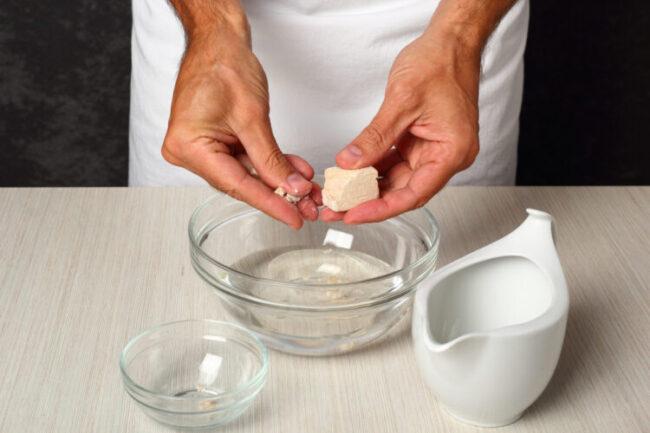
The spray prepared this way is environmentally safe and effective against pests such as aphids and spider mites. Depending on the severity of the infestation, it can be used every 7-10 days. To prepare the yeast fertilizer, you’ll need the same ingredients as for the spray.
When should you spray plants with yeast?
Yeast spray for roses is an effective aid in combating aphids and diseases. It’s best to use the yeast solution in the spring, thoroughly spraying the tops and undersides of the leaves. To help the solution adhere to the leaves and the plant, add a small amount of dishwashing liquid to the solution. Avoid spraying during the day to prevent sunburn.
Why is yeast beneficial for roses? It’s a natural growth stimulant, rich in proteins, amino acids, B vitamins, and microelements. When used correctly, yeast solutions activate root development, stimulate bud formation, and strengthen the plant’s immune system. This method is environmentally safe and has no negative impact on other organisms.
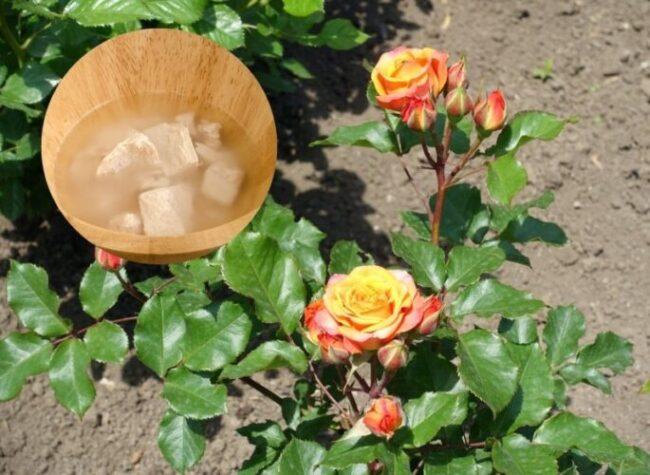
Spraying with yeast is an effective method of controlling aphids and various plant diseases, especially roses. Regular application not only effectively kills aphids but also helps protect plants from other diseases, such as black spot, powdery mildew, and rust. Yeast for rose blooms. Furthermore, spraying with yeast is a natural way to stimulate lush rose growth.
How to make yeast spray for roses?
To spray roses with yeast, you’ll need baker’s yeast and water. First, dissolve about 50 grams of yeast in a liter of warm water and let it sit for about 2 hours until the yeast begins to activate. Then, dilute the resulting mixture with water at a ratio of 1:5, meaning for every liter of yeast-water mixture, add 5 liters of clean water. Once the mixture is ready, add 1 tablespoon of liquid soap to help it adhere to the leaves. The solution is ready to use as a spray and is simply sprayed on the roses.
Therapeutic and health-improving effects of yeast spray:
- accelerates the growth of shoots;
- increases the number of buds;
- strengthens the immune system;
- improves the absorption of nutrients.
Yeast spray is especially useful for roses in spring and early summer, when bushes are actively growing foliage and preparing for flowering. Avoid using it in cold weather (yeast works better in warm temperatures (above 15°C).
Spray in the morning or evening, avoiding direct sunlight. It is not recommended to use the spray more than once every 10-14 days. Excessive use of yeast fertilizers can lead to calcium and magnesium deficiencies. Therefore, alternate the yeast spray with other fertilizers. It combines well with other organic fertilizers (herbal infusions, ash, humates).
What are the benefits of using yeast spray for roses?
Using a yeast spray on roses has many benefits. Yeast is an excellent source of plant nutrients, especially nitrogen, potassium, and phosphorus, which are essential for proper growth and development.
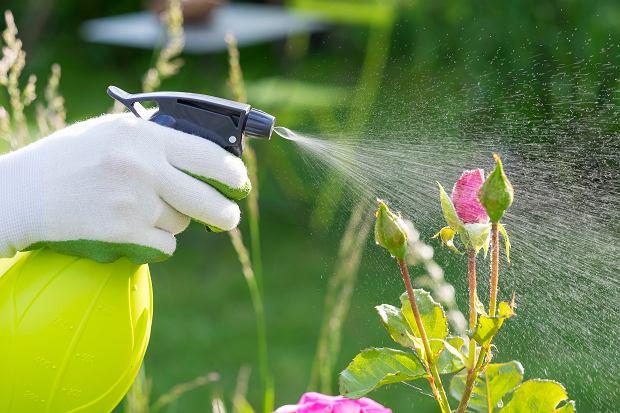
They also help fight pathogens and plant diseases, boosting overall immunity. Spraying with yeast increases the activity of microorganisms in the soil, which improves its structure and fertility.
Can using yeast spray have adverse effects on roses?
Additional information ! Using fertilizers and yeast sprays on roses can have both positive and negative effects. Yeast is a natural source of nitrogen, essential for proper plant growth and development. It also promotes the development of soil microflora.
However, excessive or improper use of these types of fertilizers can negatively impact the health of roses. This can lead to excessive plant growth, which, in turn, increases susceptibility to diseases and pests. Therefore, moderation is essential and use of these products should be followed according to the manufacturer’s recommendations. Properly selected fertilizers are the key to healthy and beautiful roses.
Yeast spray can also be used on tomatoes and cucumbers. It’s a safe and natural way to protect your plantings from pests and fungal diseases.
Yeast spray is a simple, affordable, and safe way to support rose health, accelerate shoot growth, and achieve lush blooms. When used correctly, it replaces some complex fertilizers, helping roses grow strong and disease-resistant.


