

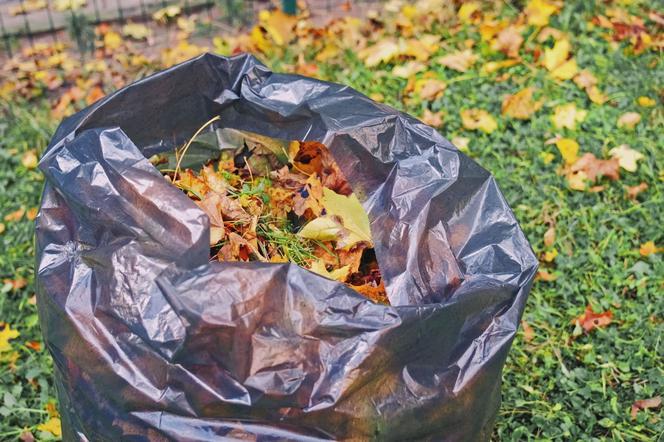
What is bag composting?
When there is a lot of organic waste, it can be used to create your own natural fertilizer. If there is no composter or it is too small, the best option is to produce natural fertilizers in bags.
Compost is one of the best and cheapest organic fertilizers used in gardening. Being an excellent source of humus and nutrients, it improves the properties of the soil, which in turn affects the proper development of plants.
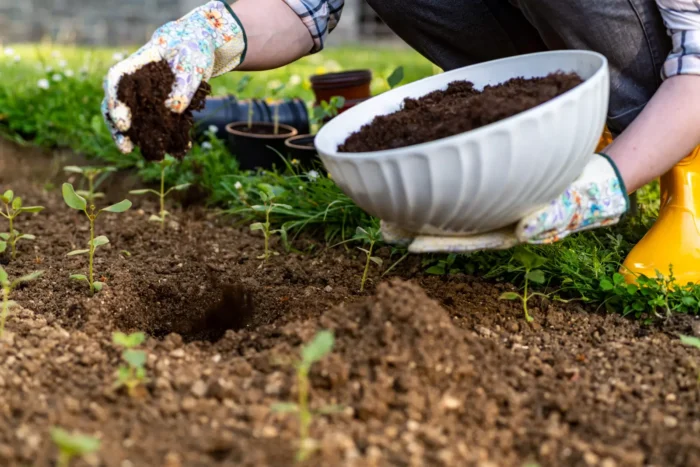
In addition, it maintains a favorable soil structure. The ingredients are released gradually, so the plants are not over-fertilized. Can be used without restrictions.
To turn green waste into fertilizer without any problems, the bags need to be large and strong enough. Composting in bags is not a complicated or expensive undertaking.
Additional information: Fill the black plastic bag partially to be able to tie it and leave a little space to mix the decomposing contents inside.
Tied bags with green waste are punctured in several places, providing access to oxygen. The bags are put away in a secluded place and the contents are stirred from time to time. It is enough to shake the bag and turn it upside down. This will ensure a uniform composting process.
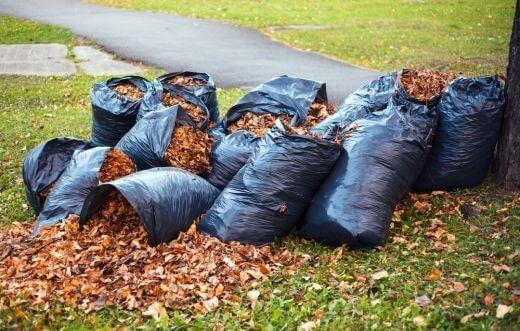
What can be composted?
Thanks to recycling, there is no need to throw away or burn plant residues, and you can get a very valuable fertilizer that enriches the soil with organic matter practically for free.
The advantages of this method of producing fertilizers:
- the process of decomposition of green waste inside the bag is not disturbed by sediments that wash away valuable minerals;
- You can place the bags anywhere so that they don’t bother anyone and don’t spoil the aesthetics of the garden;
- This type of composting allows you to keep your garden tidy by getting rid of green waste.
The most popular is to turn mown lawn grass, fallen leaves from trees and shrubs, both decorative and fruit, into fertilizer. You can compost the leaves themselves to obtain leaf soil or lay them in layers with other materials, provided that they are not infected with diseases and pests.
Plant leaves vary in mineral content and therefore have different decomposition times. Soft leaves decompose faster, thick leaves – rich in tannins and phenolic compounds – have a much slower decomposition rate.
Please note! The prepared leaf soil has a lot of humus, neutral pH or slightly acidic. It is ideal as a fertilizer, improving the structure of the soil (and water supply), mulch and substrate for most garden plants.
Slowly biodegradable leaves should be composted in a separate container so as not to slow down the rate of decomposition of other garden waste. Pine needles should also be composted separately, as they contain resinous substances that slow down the process and strongly acidify the compost.
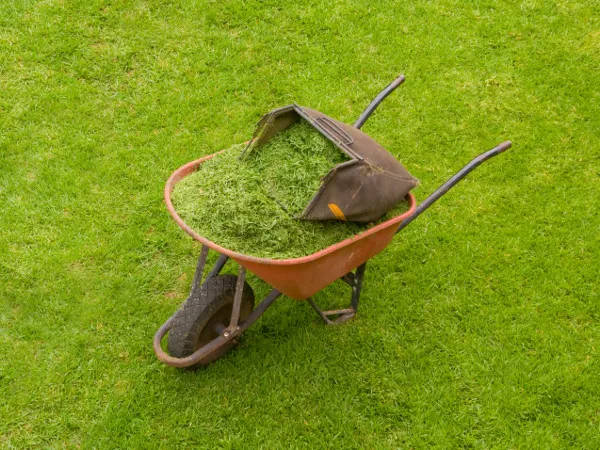
Lawn grass decomposes quickly and is rich in nitrogen, and after composting becomes a valuable fertilizer. Also suitable are the remains of annual plants, fading flowers of perennial plants, and cut strawberry leaves.
Weeds are a valuable component of compost, rich in minerals, but those that have already set seeds are not suitable. Rotting does not weaken their germination, and by spreading compost in the garden the following year, they can be added to the soil.
Perennial weeds that are easily restored from the roots, such as couch grass, nettle and horsetail, are suitable for composting only after drying.
Plants growing near transport routes should also not be composted, as they may contain heavy metals. Grass sprayed with herbicides should not be composted. The remains of infected plants should be removed from the garden.
The process of decomposition of grass and leaves in bags can take up to a year. To speed it up and reduce it to three months, additives such as nitrogen fertilizers or special preparations that accelerate the decomposition of green waste are useful.
How to Speed Up Composting
Fallen leaves from trees contain little nitrogen. Meanwhile, the presence of nitrogen significantly accelerates the process. Therefore, it is recommended to add nitrogen when processing leaves alone.
To get a good compost mass, and get it a little faster, you need to mix together various ingredients. It is also advisable to pre-grind the leaves, which, on the one hand, will reduce their volume, and on the other, will speed up the process of their decomposition.
To obtain mature compost in such a short time, you can add a small amount of the biocomposting preparation “Trigger-4” to the green waste collected in bags. The bacteria contained in Trigger-4 can easily cope with garden waste. Leaves collected in autumn in compost bags will completely dissolve into mature compost by spring, suitable for fertilizing all garden plants.
It is also worth remembering that composting leaves or grass in bags will not work properly if the waste is dry. A little water should be added to dry waste.
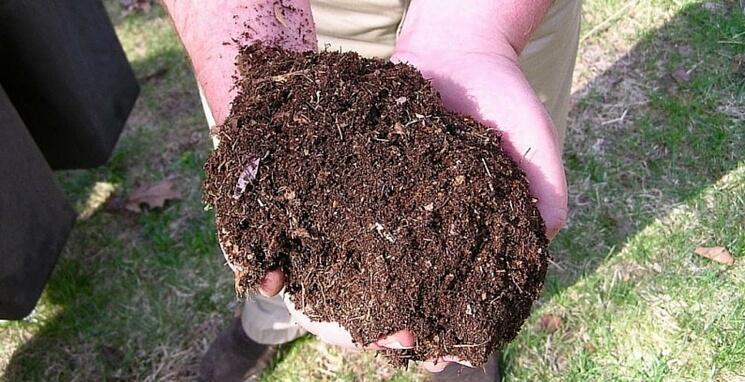
The resulting compost is an extremely valuable organic fertilizer that is not only beneficial for plants but also helps maintain the fertility of the soil. It is a rich source of humus and is worth using at least from time to time. It has a dark color and a characteristic earthy smell. It can be used throughout the growing season, from spring to autumn, after several months or even several years.


