


Why is vegetable rotation so important?
Constantly growing the same species in one place causes a decrease in yield, since on the one hand they deplete the soil of the nutrients they need. After all, vegetables have different nutritional needs. Among them there are more and less “gluttonous”. Additionally, different types of vegetables, depending on the size of their roots, benefit from nutrients found in different layers of soil.
Planting different types of vegetable plants in a row in one area improves their growth and productivity, and helps to avoid the transfer of diseases and pests. Therefore, it is worth knowing which vegetables to plant one after another so that they are healthy and tasty.
Crop rotation after cucumbers
Many people wonder how to plan a crop rotation after cucumbers. It is enough to know the requirements and basic principles of crop rotation to get abundant harvests.

After cucumbers, you should use crop rotation. Cucumbers really deplete and deplete the soil. Therefore, before planting something after cucumbers, it is worth considering what will grow best after them. It is better next year to plant plants that have fewer requirements than cucumbers. However, if you feed the soil correctly, you can choose slightly different plant varieties.
After cucumbers, you can grow types of vegetables with a short growing season, such as green beans, kohlrabi, dill, lettuce, spinach, and radishes.
In the next year’s crop rotation after cucumbers, it is worth choosing vegetables with more modest requirements and those that are able to take nutrients from deeper layers of the soil. These are: beans, radishes, cabbage. If you feed the soil with compost in the spring, you can plant garlic, lettuce, onions, kohlrabi, Brussels sprouts, beets, and root parsley after the cucumbers.
In the third year of cultivation, after cucumbers, it is recommended to plant legumes, which will enrich the soil with nitrogen and improve its structure.
Green fertilizers after cucumbers
Cucumbers greatly deplete the soil, since they need a large amount of nutrients to produce abundant fruit. Therefore, as an intermediate crop after cucumbers, it is best to grow green manure plants that enrich the soil with organic matter.
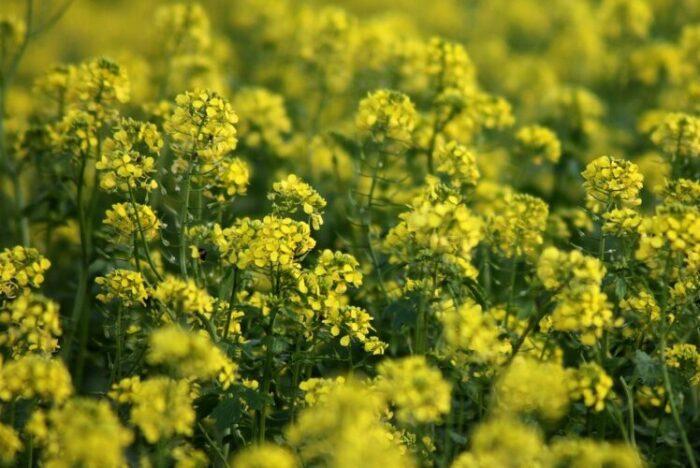
These green fertilizers work best:
- alfalfa;
- clover;
- buckwheat;
- yellow lupine;
- phacelia;
- fava beans;
- Vika.
Plants are sown directly in the place where cucumbers will grow in the spring.
Is it possible to plant cucumbers after cucumbers?
The same species planted in a row depletes the soil. In the absence of crop rotation, pests and diseases characteristic of this group of vegetables increasingly develop in the soil. As a result, the plants weaken, bear less fruit and get sick more often. Therefore, when planning crop rotation after cucumbers, cucumbers are planted in their original place no earlier than after 3-4 years. Also, do not grow vegetables from the same family after cucumbers: zucchini, pumpkin, melon or watermelon.
After what plants can cucumbers be planted?
Cucumbers, like vegetables, are the main crop. They have fairly high growing requirements. For abundant fruiting, they need a sunny place and fertile, permeable soil. Taking this into account, it is best to plant cucumbers after green manure plants. Legumes can enrich the soil with nitrogen and improve its structure.

As predecessors for cucumbers, you can also choose vegetables that do not have high nutritional requirements, have deep roots and improve soil structure. Taking these factors into account, cucumbers can be planted after vegetables such as carrots, parsley, and beets.
Precursors for cucumbers should be with a short growing season, such as dill, lettuce, autumn spinach harvested in the spring, radishes and turnips.
Lettuce, spinach and other leafy vegetables can be cover crops for cucumbers due to their short growing season and shallow root system. These species protect the soil from overheating and stimulate the growth of the root system of cucumbers.
Cucumbers should not be planted after tomatoes or peppers. Cucumbers are also not planted in areas where squashes or pumpkins were previously grown, since these plants have similar requirements to cucumbers, which means they take the same nutrients from the soil.
What to plant next to cucumbers?
Some plants planted next to cucumbers have a positive effect on their growth, health and productivity. Therefore, it is worth learning about the mutual influence of cucumbers and other plants in order to obtain organic crops on your site. What to plant next to cucumbers to make cucumbers big and healthy!
Decorative flowering plants planted between cucumbers not only diversify the appearance of the beds, but also naturally repel vegetable pests. Marigold, calendula and nasturtium help fight aphids, nematodes and whiteflies. They also attract predatory insects that feed on aphids. Bees and butterflies, attracted by the aroma of flowering plants, will also be excellent pollinators for cucumbers.
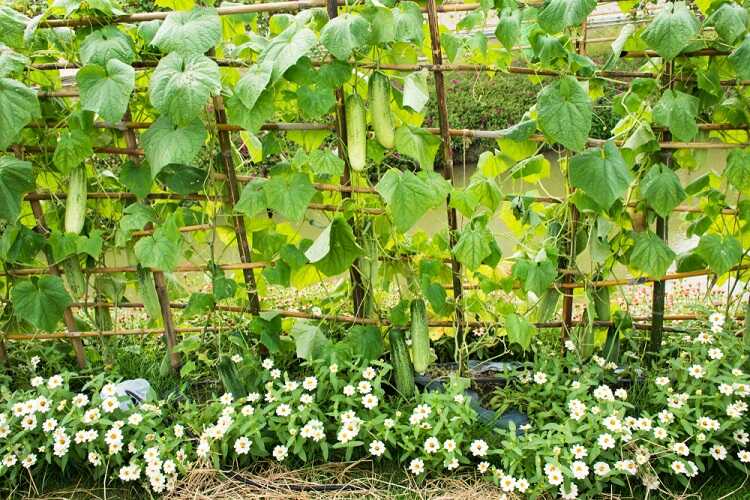
Also, oregano, coriander and cumin support growth and repel pests that attack plants. Tansy planted next to cucumbers repel ants. beetles and aphids. Basil reduces the occurrence of powdery mildew on cucumbers. Despite the many advantages of such a neighborhood, however, aromatic herbs should be planted with care, they have a very strong smell, which can affect the taste of cucumbers.
What vegetables should I plant next to cucumbers? Vegetables that are well suited for growing next to cucumbers are primarily legumes. Peas and beans are great choices for growing cucumbers as they provide them with much-needed nitrogen. The root system of these species is inhabited by beneficial bacteria that fix atmospheric nitrogen, converting it into nitrogen available to plants.
Legumes can also protect against adverse weather conditions – strong sun and wind. It is popular to plant cucumbers together with corn and sunflowers, which, as companion plants, reliably protect cucumbers from wind and the scorching sun. Thanks to their deep root systems, both corn and sunflowers do not compete with small-rooted cucumbers for access to water and nutrients.
Joint cultivation of cucumbers with root crops such as: carrots, parsley has a positive effect on cucumbers and allows you to diversify crops. These vegetables with a strong root system loosen and aerate the soil around the cucumbers. Early varieties of beets are also good neighbors for cucumbers, but due to different nutritional requirements, they should be placed around the perimeter of the bed.
The shade from dill umbrellas protects cucumber plants from overheating. Fragrant dill also attracts many pollinating insects and prolongs the fruiting period of cucumbers.
Garlic and onions secrete phytoncides that repel cucumber pests and reduce the occurrence of fungal diseases. Radishes planted along the edges of the beds can help deter beetles that feed on cucumbers. However, according to some experts, radishes limit the yield and quality of cucumber fruits. Therefore, its neighborhood may be a controversial choice.

Growing cucumbers together with cabbage gives good results. Cruciferous vegetables have the same water and nutrient requirements as cucumbers. Therefore, they are easy to care for in one bed.
Is it possible to plant tomatoes next to cucumbers?
It has been noticed that tomatoes and cucumbers have a negative effect on each other. They should not be planted next to each other in the same area, as yields may be lower and the plants are more vulnerable to diseases and pests.
Additionally, tomatoes and cucumbers have different care requirements, which can make them difficult to grow in close proximity. Cucumbers like higher humidity and require more frequent watering because they have shallower root systems.
Tomatoes, on the other hand, can be watered less frequently and prefer lower air humidity. At high humidity, tomatoes are easily affected by fungal diseases, such as potato rot.


